Afghan Returnee Women Face Mounting Hardships Amid Mass Deportations
Thousands of Afghan women and girls returning from Pakistan and Iran face exploitation, violence, lack of shelter, and limited access to healthcare, livelihoods, and education, warn UN agencies.

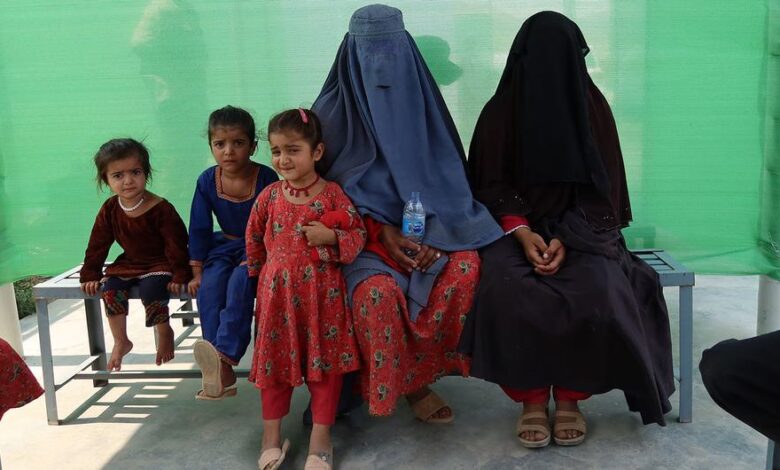
The humanitarian crisis at Afghanistan’s borders is worsening as the number of returnees from Pakistan and Iran surges, with women and girls facing the harshest consequences. According to the Gender in Humanitarian Action Working Group — led by UN Women and UNFPA — nearly half of returnees from Pakistan are women and girls, while their proportion among those returning from Iran reached 30% in June.
These forced returns are placing immense pressure on Afghanistan’s already strained humanitarian system. Many of these women arrive with little to no support, often without shelter, resources, or family networks. “A tent would be my only protection,” one woman told UN Women at the border. “I have no food, no clothes, no contact number and no relatives to stay with.”
The risks are even greater for women traveling without a male guardian (mahram), who often face harassment, extortion, and threats. One woman at Torkham reported, “They took 6,000 rupees and gave me only 2,000 back. Now, I don’t know where to go.” Similar complaints of mistreatment and fear were reported at Islam Qala.
Once across the border, returnee women are exposed to a growing list of dangers — from gender-based violence and trafficking to early and forced marriage. Desperation has led to heartbreaking choices. A humanitarian worker in Kandahar shared, “A widow with four daughters was looking to sell one or two of them to survive.”
Mental Health and Psychosocial Support Services (MHPSS) are critically lacking at border points, leaving many distressed women without professional care. The absence of safe spaces further increases the risk of exploitation.
In provinces like Nangarhar and Herat, shelter, income opportunities, and access to education remain the most urgent needs. “We need a place to stay, a chance to learn, and a way to earn,” said one woman in Nangarhar.
Statistics highlight the severity of the situation: only 10% of women-headed households live in permanent shelters, while nearly 40% fear eviction. In Herat, 71% of women reported rent disputes and 45% lived in substandard housing.
Livelihood challenges are immense. Women previously engaged in tailoring or handicrafts now struggle due to the loss of equipment, movement restrictions, and lack of documentation or business networks. Many are unable to restart their businesses or contribute to household income.
Education is also under threat. Girls returning to Afghanistan face uncertain futures, with limited access to schools and increasing restrictions on female education in several regions.
Looking ahead, UN agencies are calling for urgent international support and increased funding to meet the immediate and long-term needs of returnee women and girls. This includes expanding gender-responsive services such as mental health care, safe shelters, livelihood training, and educational access.
“The crisis is growing. Without swift and sustained action, we risk losing an entire generation of Afghan women and girls to poverty, trauma, and abuse,” said a UN Women representative.