Iraq’s Controversial Law Legalizes Child Marriage, Sparking Outrage
Iraqi parliament passes law allowing girls as young as nine to marry, igniting global condemnation over women’s and children’s rights.

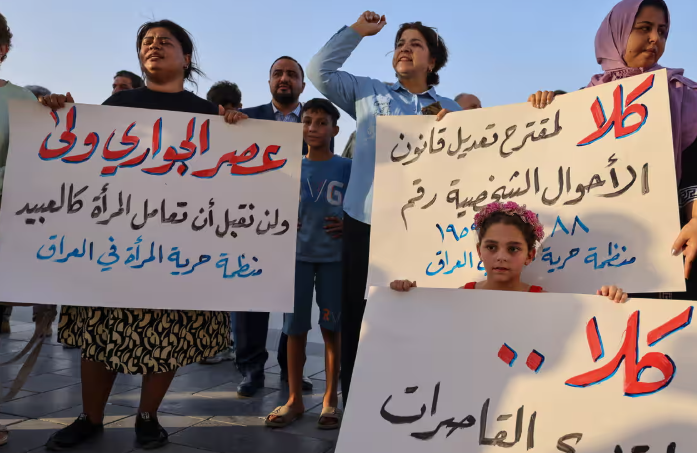
The Iraqi parliament has passed a controversial law permitting girls as young as nine to marry, sparking outrage among activists, lawmakers, and human rights groups. Critics have condemned the decision, calling it a severe violation of women’s and children’s rights and warning that it effectively legalizes child exploitation.
The law grants religious authorities full control over family affairs, including marriage, divorce, and child custody, abolishing a decades-old ban on child marriage. Prominent lawyer Mohammed Juma denounced the move, stating, “This marks the end of women’s and children’s rights in Iraq.”
Women’s rights activists have expressed fear over the law’s potential consequences, including its retroactive application to existing cases in court. Raya Faiq of Coalition 188 shared an account of a woman who was forced to give up her rights to financial support under threats of losing her daughter.
According to a 2023 UN report, 28% of Iraqi girls were married before turning 18, often due to poverty. While some see marriage as an escape, many of these unions result in hardship, social stigma, and lack of education. Instead of strengthening protections for young girls, the new law enables religious sects to set their own marriage age limits. For Shia Muslims, girls can now marry at nine, while for Sunnis, the age is 15.
Independent MP Sajjad Salem condemned the decision, calling it an unprecedented moral and legal failure for Iraq. Alia Nassif, a member of the parliamentary legal committee, argued that the law was passed without the required quorum and vowed to challenge it in the Iraqi federal court.
Journalist and activist Benin Elias urged action, stating, “Now is not the time for tears but for resistance against such barbaric decisions.”
This alarming legislation has fueled calls for international intervention and a reassessment of Iraq’s commitment to human rights.