Asasah’s Microfinance Model: Redefining Empowerment for Women in Pakistan
Microfinance empowers women but often adds hidden health burdens. Asasah’s model blends financial support with health services to create lasting, sustainable impact.

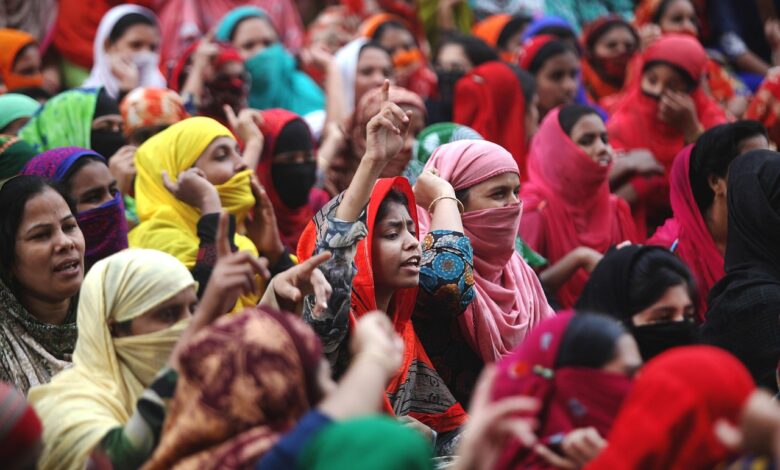
More than 115 million women across the world rely on microfinance loans, many of them driven by the promise of empowerment and a chance to uplift their families. At first glance, this seems like a success story—women gaining access to capital, running small businesses, and breaking free from poverty. Yet, research paints a more complex picture. For countless women from underprivileged households, the weight of debt brings not only financial strain but also social, physical, and emotional challenges that compromise their health and quality of life.
A recent study involving 442 women across multiple cities in Pakistan revealed the hidden toll of microfinance. Women shared experiences of high stress levels, exposure to infectious diseases, inadequate housing, and limited access to healthcare and essential utilities such as gas lines. While loans might provide the capital needed to start or sustain a business, they cannot solve deeper issues that tie poverty to poor health. In fact, without proper support, loans may worsen the burden by locking women into a cycle of debt and exhaustion.
This is where Asasah, a Pakistan-based social enterprise, steps in with a different approach. Founded in 2003, Asasah operates with the mission of empowering women while ensuring that empowerment is sustainable, healthy, and impactful. Unlike traditional microfinance institutions that focus solely on disbursing loans, Asasah has developed a model that integrates health services with financial support, addressing the dual needs of income generation and well-being.
At the core of Asasah’s model is its belief that women are catalysts for social transformation. To unlock their full potential, they need more than just credit—they need security, knowledge, and systems of support. Every client at Asasah receives not only microloans but also mandatory health and credit life insurance. Significantly, the coverage extends to spouses, recognizing the interconnected nature of family well-being.
Beyond insurance, Asasah invests in awareness. It conducts health workshops that help women and their families understand preventive care, basic hygiene, and healthier living practices. By combining education with financial tools, the organization ensures that its clients are better equipped to stay productive and resilient in the face of challenges. The impact of this integrated model is tangible. Between 2003 and 2013, Asasah disbursed 170,000 microloans, issued an equal number of life insurance policies, and provided 35,000 health insurance plans—a testament to its commitment to holistic empowerment.
The importance of this approach cannot be overstated. The study of women micro-entrepreneurs in Pakistan concluded that financial inclusion alone does not guarantee empowerment. Instead, it recommended pairing financial services with interventions that directly address health and living conditions. Providing access to housing loans, health insurance, safe water, and utilities like gas lines would allow women to break free from the cycle of debt, disease, and dependence. Without these, many remain trapped—working tirelessly yet unable to escape poverty’s grip.
Asasah’s work highlights a crucial shift in thinking. Microfinance should not only be about helping women survive; it should be about helping them thrive. By addressing both immediate financial needs and the long-term barriers to empowerment, Asasah ensures women are not left to shoulder the invisible costs of debt alone. Its model demonstrates that poverty alleviation must be multidimensional, blending financial access with health and social protection.
The fight against poverty is long and complex, but organizations like Asasah show that change is possible when solutions are built with women’s realities in mind. Empowerment should never come at the cost of health. Instead, true empowerment ensures women have the resources, resilience, and security to continue their journey toward independence. By asking not just how women can start businesses, but how they can sustain them, Asasah is paving the way for a model of microfinance that truly transforms lives.