Pakistanis Contribute Over £1.7 Billion in Zakat Annually, Study Finds
Pakistanis donate more in zakat than the country’s largest cash transfer program, with most recipients being women, particularly widows, a new study reveals.

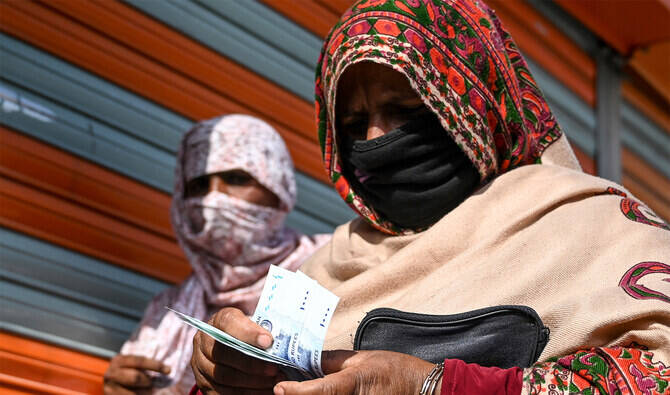
A recent study by the International Center for Tax and Development (ICTD) and Lahore University of Management Sciences (LUMS) has revealed that Pakistanis contribute over £1.7 billion ($2.19 billion) in zakat annually, with the majority of recipients being women.
Zakat, an obligatory form of almsgiving in Islam, requires Muslims meeting a certain wealth threshold to donate 2.5% of their savings annually to those in need. The study, based on a 2024 survey of 7,500 Sunni Pakistanis, sheds light on the scale and impact of zakat in Pakistan’s social welfare system.
Zakat Exceeds Government Welfare Programs
According to the research, over 50 million Pakistanis actively give zakat, with an average contribution of Rs15,000 (£43) per donor. The total zakat contributions surpass Pakistan’s largest state-led cash transfer initiative, the Benazir Income Support Programme (BISP), which has a 2024/2025 budget of Rs598.7 billion ($2.16 billion).
The study also highlights that annual zakat contributions exceed Pakistan’s federal excise duty and even official development aid received in recent years.
Trust in Private Giving Over State-Controlled Zakat Funds
Despite the presence of an official zakat fund established in the 1980s for compulsory collection, most Pakistanis prefer to distribute zakat privately rather than through government channels.
“Most Pakistanis bypass the state fund, which collects only a fiftieth of what we estimate to be contributed annually. Less than 2% of zakat givers use the state fund,” the study notes.
Instead, zakat is directly given to individuals, mosques, schools, and NGOs, reflecting low trust in state welfare institutions.
Women, Especially Widows, Are the Primary Beneficiaries
The survey found that more than half of zakat donors prioritize giving to women, particularly widows, who are considered among the most economically vulnerable in Pakistan.
The study highlights how private religious giving plays a crucial role in addressing welfare gaps, particularly for marginalized groups, in the absence of robust state social protection systems.
This research underscores the significance of zakat in Pakistan’s social fabric, with private donations often acting as a more effective safety net than government welfare initiatives.