Kalaburagi Protest: Bajrang Dal Members, Including Women, Remove Pakistani Flags
The recent protest in Kalaburagi saw the removal of Pakistani flags by Bajrang Dal members, including women participants, sparking debates over national sentiments and freedom of expression.

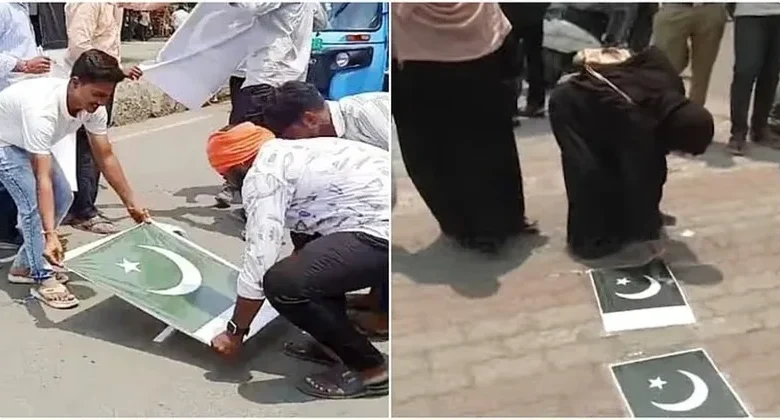
In Kalaburagi, a recent protest organized by members of Bajrang Dal, including women participants, has sparked a major controversy after they removed Pakistani flags that had been displayed in the area. The protest has ignited debates about national sentiments, freedom of expression, and the growing tensions between India and Pakistan.
The protest began when members of the Bajrang Dal, a right-wing Hindu nationalist group, spotted Pakistani flags that had been pasted on walls and public places as part of a demonstration. The group, citing national security concerns and patriotism, took to the streets to tear down the flags, expressing their disapproval of such displays. Notably, the protest saw participation from women activists who actively joined the men in their flag-removal actions, amplifying the group’s message.
This act of flag removal quickly caught the attention of local residents and news outlets, with many condemning the protest for its disruptive nature and the potential for escalating tensions in the community. While the Bajrang Dal group defended their actions, citing the need to uphold Indian sovereignty and national pride, critics argued that the protest stifled freedom of expression and could provoke further division between different groups within the community.
Protest Against Pakistani Influence
The display of Pakistani flags had reportedly been part of a protest organized by a local group, though the exact reasons behind it were unclear. Some reports suggest it was a political gesture related to the ongoing India-Pakistan rivalry, while others believe it was an act of defiance against local governance or national policies.
However, the actions of the Bajrang Dal members, including the involvement of women participants, have been met with a mixed response. Some support the protest, believing that such actions are necessary to prevent the spread of foreign influence within India, while others are concerned that the protest itself is an infringement on people’s right to peaceful expression.
The Growing Tensions
This incident adds to a series of growing concerns about religious and political polarization in India, where tensions between religious and nationalist groups are increasingly in the spotlight. Many citizens worry that such protests could foster an atmosphere of fear and mistrust between different communities, while others argue that they reflect a deep-seated frustration over national identity and patriotism.
The removal of the flags has caused division even within the local political spectrum. Some see it as an act of patriotism, while others view it as an overreach that could harm the integrity of peaceful protest. Calls for greater dialogue and understanding between different sections of society have come from several quarters, but the situation remains tense.
A Symbolic Act with Wider Implications
This act of flag removal is not just about symbolism but reflects the growing tensions in India-Pakistan relations. It also raises questions about the line between national pride and freedom of expression, especially when the display of flags can be perceived as an act of defiance or protest against the Indian government.
For many, this is not just a local incident but a reflection of the broader political and cultural climate in the region. As tensions rise, there are calls for the government to step in and de-escalate such protests to avoid further communal divides and ensure that public spaces remain neutral and free from such political expressions.