Pakistan’s Plan to Expel Afghan Women Refugees Sparks Human Rights Concerns
Pakistan’s March 31 deadline to expel Afghan refugees raises serious human rights concerns, with Amnesty International urging authorities to withdraw the plan.

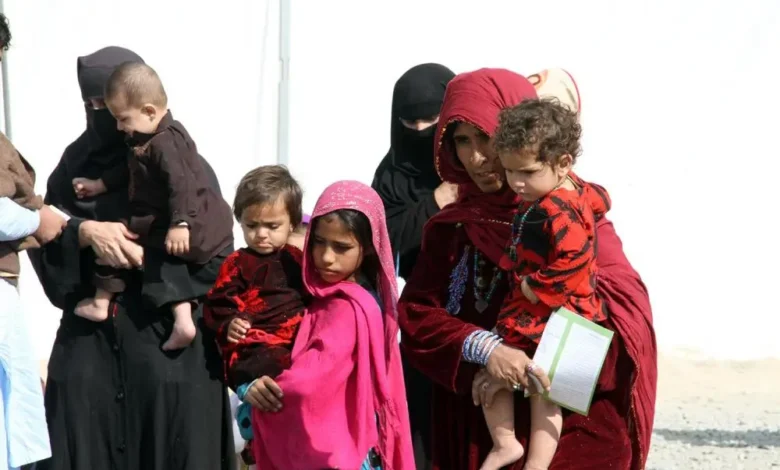
Pakistan’s ‘Illegal Foreigners Repatriation Plan’, set to take full effect on March 31, 2025, is drawing sharp criticism from human rights organizations for arbitrarily targeting Afghan refugees. The plan mandates the forced removal of Afghan nationals from Islamabad and Rawalpindi, with many facing immediate deportation to Afghanistan, despite grave risks of persecution under the Taliban regime.
According to Amnesty International, Pakistan’s opaque and arbitrary orders contradict international human rights obligations, particularly the principle of non-refoulement, which prohibits sending refugees back to countries where they face persecution.
“The Pakistani government’s cruel deadline to expel Afghan refugees shows blatant disregard for international human rights law. The lack of transparency in these executive orders contradicts Pakistan’s own promises,” said Isabelle Lassée, Deputy Regional Director for South Asia at Amnesty International.
Expulsions Ignore Years of Settlement and Hardship
A January 29, 2025, notification ordered all Afghan nationals in Islamabad and Rawalpindi to leave by March 31, with:
-
Proof of Registration (PoR) cardholders relocated to other Pakistani cities, disrupting lives and livelihoods they have built over decades.
-
Afghan Citizen Card (ACC) holders and undocumented refugees facing immediate deportation, despite the risk of persecution by the Taliban.
-
Refugees awaiting third-country resettlement moved far from embassies, making visa processing harder and increasing deportation risks.
“Forcing Afghan refugees to relocate within Pakistan is devastating. Many have lived here for decades. You’re uprooting entire families and destroying their businesses and communities,” said human rights lawyer Moniza Kakar.
Lack of Legal Basis and Discriminatory Rhetoric
Pakistan’s refugee expulsions appear to be based on executive instructions rather than any legal framework, according to lawyer Umer Gillani, who has challenged the decision in the Supreme Court and Islamabad High Court.
Meanwhile, Pakistani officials and media have wrongly portrayed Afghan refugees as criminals, fueling discrimination. Interim Prime Minister Anwaar-ul-Haq Kakar previously linked refugees to terrorism and drug trafficking, creating a hostile environment. In January 2025, Interior Minister Mohsin Naqvi even introduced a No-Objection Certificate (NOC) requirement for Afghan refugees in Islamabad, further complicating their residency.
These conflicting directives have led to mass detentions and deportations, with 986 Afghan nationals forcibly expelled in January alone, according to the UN International Organization for Migration.
Racial Profiling and Escalating Harassment
Afghans in Islamabad face increased racial profiling, particularly after Pakistani officials linked them to political unrest during PTI protests on November 26, 2024. Recent government notices continue to pressure refugees to leave, despite prior court rulings protecting registered refugees.
Between September 2023 and February 2025, Pakistan forcibly deported at least 844,499 Afghan nationals, placing many at direct risk of Taliban persecution, economic crisis, and human rights violations. Among them are:
-
Journalists
-
Human rights defenders
-
Women protesters
-
Artists
-
Former government officials
Urgent Call for Pakistan to Uphold Human Rights
Amnesty International is urging Pakistan to immediately withdraw the ‘Illegal Foreigners Repatriation Plan’ and respect its international human rights obligations.
“Expelling Afghan refugees will undo years of hard work they have put into rebuilding their lives. We call on Pakistani authorities to reverse this inhumane policy and protect refugee rights,” Lassée added.
Despite government assurances to the Supreme Court in January 2025 that registered refugees would not be detained or deported, the 31 March deadline puts thousands of vulnerable individuals at risk of forced displacement and persecution.
The Islamabad High Court has directed authorities to stop harassing PoR cardholders, but with only days left before the deadline, Afghan refugees in Pakistan face an uncertain and dangerous future.