Let Women Live, Let Pakistan Grow
Empowering women to live independently is not a cultural rebellion, but an economic necessity Pakistan can no longer ignore.

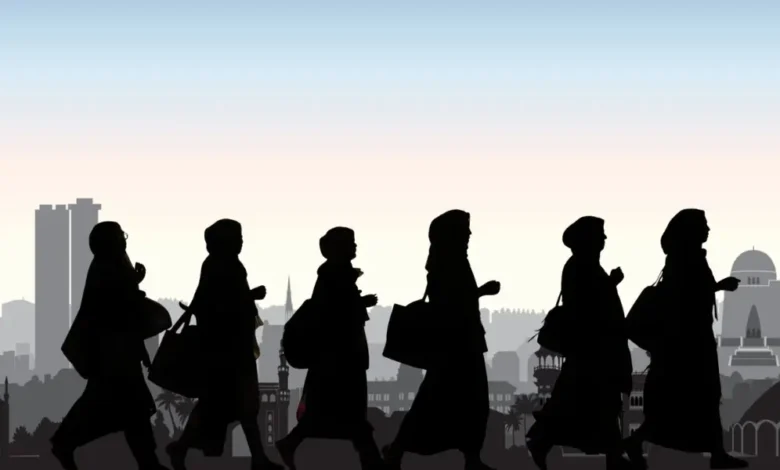
Pakistan’s economic slowdown is not driven by policy failures alone. It is also shaped by the systematic exclusion of capable women from full economic participation due to restrictive social norms.
Cultural expectations that limit women’s mobility, autonomy, and living choices function as invisible economic barriers, keeping productivity low and growth stagnant.
Urban, educated, skilled women are already positioned to contribute meaningfully, yet many are forced to opt out of the workforce or leave the country altogether.
Pakistan’s female labour force participation stands at just 22.6 percent, far below global and regional averages, costing the economy billions in lost productivity.
Global evidence shows that increasing women’s workforce participation directly boosts GDP, innovation, and long-term economic resilience.
In Pakistan, one of the most rigid constraints remains the expectation that women must live with family until marriage, regardless of professional needs.
This limitation fuels brain drain, pushing doctors, engineers, academics, designers, and entrepreneurs to build their futures abroad.
Independent living in urban centres would allow women to live closer to workplaces, universities, and training hubs, reducing burnout and dropout rates.
Women who control their time and finances are more likely to invest in skills, careers, and entrepreneurship, strengthening the economy from within.
Living independently also reduces the unpaid domestic burden that disproportionately falls on women in joint households.
Time saved from household labour can be redirected toward professional growth, networking, freelancing, and higher education.
Independent women contribute not only to themselves but also to their families, supporting parents and siblings financially.
Their participation stimulates rental markets, co-living spaces, transport services, and local economies, creating a ripple effect across sectors.
Many women leave Pakistan not due to lack of opportunity, but due to lack of agency over their lives and daily decisions.
Living alone also builds resilience, confidence, and legal awareness as women navigate housing, mobility, and public systems independently.
The barriers women face are real, including high living costs, discriminatory landlords, safety concerns, and unreliable public transport.
Single women are often denied housing or subjected to moral policing, scrutiny, and intrusive questioning not faced by men.
Urban infrastructure and transport systems remain poorly designed for women’s safety, limiting late work hours and career advancement.
Social judgement from neighbours, guards, and extended family further discourages women from choosing independent living.
Yet none of these barriers are unsolvable, as they stem from structural gaps in housing regulation, transport planning, and gender-sensitive policy.
Countries with similar cultural contexts have addressed these challenges through legal protections, women-only housing, and safer transit systems.
The resistance to women living alone is cultural, not religious, as Islam grants women full rights over property, work, and finances.
At a time of shrinking productivity and rising brain drain, restricting women’s autonomy imposes a measurable economic cost.
Independent living should be reframed not as moral defiance, but as a rational, growth-oriented decision aligned with national interests.
For many women, living alone is a matter of efficiency, ambition, and survival, not rebellion.
Pakistan cannot rebuild its economy while excluding half its population from full participation in public and professional life.
If the country hopes to retain talent, boost productivity, and compete globally, it must allow women the freedom to structure their lives for success.