Pakistan Remembers Benazir Bhutto on 18th Anniversary of Her Assassination
National leaders pay tribute to the first woman prime minister of the Muslim world, honoring her legacy of democracy, inclusion, and resilience

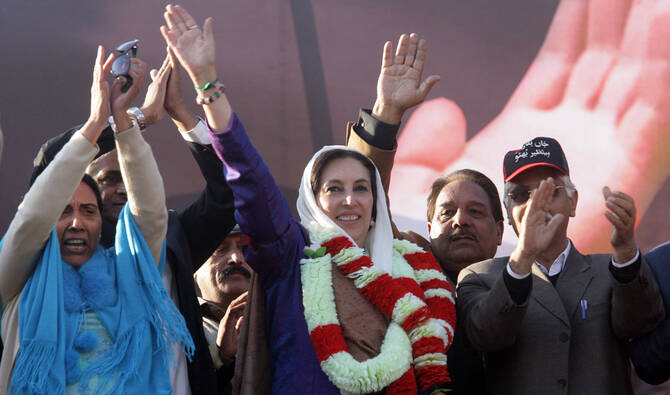
Pakistani leaders, led by Prime Minister Shehbaz Sharif, paid tribute on Saturday to former prime minister Benazir Bhutto on the 18th anniversary of her assassination, remembering her as a symbol of courage, democracy, and progressive leadership.
Benazir Bhutto, born on June 21, 1953, made history in 1988 by becoming the first woman prime minister in the Muslim world at the age of 35. Her political journey was marked by repeated challenges, including two dismissals from office in 1990 and 1996, amid allegations she consistently described as politically motivated.
Bhutto entered politics following the execution of her father, Zulfikar Ali Bhutto, in 1979 during the military rule of General Zia-ul-Haq. Despite the personal tragedy, she emerged as a central figure in Pakistan’s political landscape, leading the Pakistan Peoples Party and advocating for democratic governance.
Throughout her career, Bhutto had a complicated and often adversarial relationship with the Sharif family. Despite political differences, she and former prime minister Nawaz Sharif signed the Charter of Democracy in 2006, pledging to protect democratic institutions and resist future military interventions.
Prime Minister Shehbaz Sharif described Bhutto’s contributions as enduring and inspirational. He said she took exemplary steps to empower women, safeguard minority rights, and work toward a peaceful, progressive, and democratic Pakistan, adding that her sacrifices remain a guiding light for the nation.
President Asif Ali Zardari, Bhutto’s husband, highlighted her belief in an inclusive Pakistan free from sectarianism, bigotry, and intolerance. He said her vision centered on equal rights and dignity for citizens of all faiths and urged young Pakistanis to stand for justice and remain hopeful despite adversity.
Benazir Bhutto’s assassination on December 27, 2007, came after a gun and bomb attack following a political rally in Rawalpindi. Just weeks earlier, she had survived a suicide attack on her motorcade after returning from eight years of exile, an attack that killed nearly 150 people.
Her death marked another tragic chapter in South Asia’s history of political dynasties facing violence and upheaval. Like the Bhuttos in Pakistan, powerful families across the region have often been shaped by both leadership and loss.
Today, Bhutto’s political legacy continues through her son, Bilawal Bhutto-Zardari, who leads the Pakistan Peoples Party and previously served as foreign minister. Her daughter, Aseefa Bhutto Zardari, now Pakistan’s first lady, said her mother lived with courage and compassion, and that her strength endures in every voice that stands against injustice.
As Pakistan reflects on Bhutto’s life and sacrifice, her role as a trailblazer for democracy and women’s leadership remains deeply embedded in the country’s political history.