CAR Ratifies Maputo Protocol to Advance Women’s Rights
Amnesty International hails the move, urging stronger laws and full implementation to protect women and girls from gender-based violence.

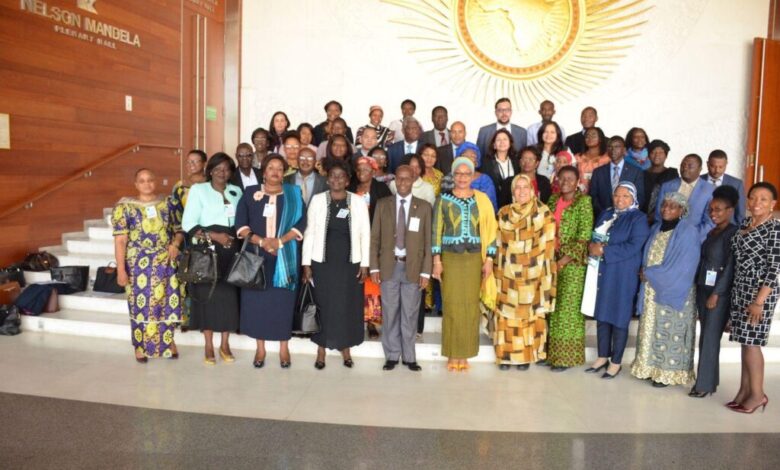
Amnesty International has welcomed the Central African Republic’s (CAR) ratification of the Protocol to the African Charter on Human and Peoples’ Rights on the Rights of Women in Africa, more widely known as the Maputo Protocol. The ratification, announced Friday, marks a significant step in advancing women’s rights and strengthening protections against gender-based violence in the country.
Amnesty International’s Senior Researcher Abdoulaye Diarra praised the move as a “welcome and long-awaited step in promoting and protecting women and girls’ rights in the country, including from all forms of gender-based violence.” However, Diarra emphasized that ratification must be followed by concrete action. “Central African authorities must now follow through to take necessary measures to ensure the full implementation of the Maputo Protocol by adopting a comprehensive law to address GBV and promote gender equality, strengthening the justice system, improving support services for survivors, and raising awareness in communities, including in rural areas,” he said.
The Maputo Protocol, adopted in 2003 and entering into force in 2005, represents one of the most progressive legal instruments for the protection of women’s rights on the African continent. It defines discrimination against women as any act or policy that compromises their recognition, enjoyment, or exercise of fundamental freedoms, regardless of marital status. It also underlines the responsibility of African states to ensure the full participation of women as equal partners in the continent’s development.
Beyond its provisions on gender equality, the treaty emphasizes women’s agency over their reproductive health. It guarantees the right to control fertility, choose methods of contraception, and be protected against sexually transmitted infections. These commitments are particularly significant for the Central African Republic, where challenges to women’s health and safety remain severe. According to the United Nations Population Fund, approximately 60 percent of births in the country occur without skilled health personnel. The prevalence of female genital mutilation among women aged 15 to 49 stands at 22 percent, while 61 percent of girls are married before the age of 18. Intimate partner violence remains widespread, with 21 percent of individuals reporting such abuse in 2018.
Ratification of the Maputo Protocol could therefore serve as a catalyst for reform in CAR, encouraging the government to adopt stronger protections, invest in healthcare and education, and confront harmful practices that undermine women’s rights. Amnesty International has stressed that full implementation requires not only legislative reform but also systemic improvements in justice, healthcare, and community engagement. Raising awareness, especially in rural areas where traditional practices remain entrenched, will be crucial to achieving meaningful change.
As of August 28, 2025, 46 of the African Union’s 55 member states have ratified the Maputo Protocol. Yet nine countries, including Egypt and Morocco, have yet to ratify or sign it. In West and Central Africa, both Niger and Chad remain outside the agreement, a gap that Amnesty International urged them to close immediately. The organization also highlighted the ongoing relevance of the treaty in the face of atrocities and gender-based violence in conflict-affected nations such as the Democratic Republic of the Congo, South Sudan, and Nigeria.
For the Central African Republic, ratification marks a turning point, but its impact will depend on how far the government is willing to go in enacting real reforms. By implementing the treaty’s commitments, strengthening institutions, and addressing deep-rooted social challenges, CAR has the opportunity to make meaningful progress toward gender equality and the protection of women’s rights.