Women’s Right to Reject Marriage in Islam
Despite religious and constitutional protections, rejection often leads to violence in Pakistan

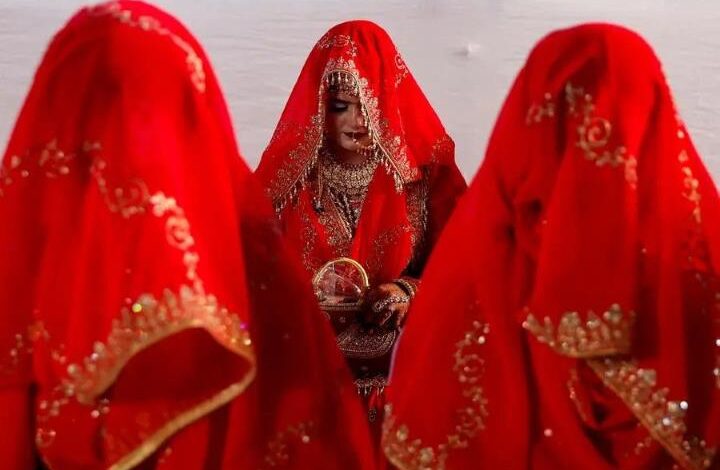
Islam grants women the unequivocal right to accept or reject marriage proposals without fear or coercion. This right is deeply rooted in Islamic teachings and is also protected under the Constitution of Pakistan, which upholds personal liberty and the freedom to make life choices. Yet, across the country, this act of personal agency is frequently misunderstood or outright ignored—sometimes with deadly consequences. For many women, saying “no” is perceived not as a decision but as defiance, triggering horrific acts of violence.
Tragically, these acts continue despite strong religious and legal condemnations. On June 2, 2025, Sana Yousaf was shot twice in the chest by Umar Hayat after she repeatedly turned down his marriage proposals. In another shocking case, 18-year-old Sidra Bibi from Rawalpindi was allegedly killed on the orders of a local jirga after marrying a man of her own choosing. These stories are not isolated incidents—they represent a widespread problem embedded in both cultural norms and institutional failures.
Religious voices have been clear and consistent in their condemnation of such violence. Maulana Hafiz Muhammad Yasir Attari, a respected Islamic scholar, reaffirmed that Islam gives women the absolute right to make their own marital decisions. He referenced a Hadith that highlights how the Prophet Muhammad (PBUH) emphasized a woman’s consent in marriage, stating that her silence may indicate agreement, but her vocal rejection must be honored. Maulana Yasir stressed that “rejection is not a sin” and should never be treated as rebellion or disobedience. He called acts of violence in response to rejection un-Islamic and urged the state to treat them as criminal offenses.
The Pakistan Ulema Council echoed these sentiments in a statement issued in July 2025, reaffirming that Islam strictly prohibits honor killings and upholds a woman’s right to choose her partner without threats or coercion.
Psychological experts also weigh in on the underlying causes. Dr. Sobia Khateeb, a clinical psychologist, explained that rejection-driven violence is often a result of emotional immaturity and toxic masculinity. In many homes, boys are not taught how to process rejection in healthy ways. Instead, they equate control with manhood and react violently when denied it. Dr. Khateeb believes that real change will require a cultural shift—raising boys with emotional intelligence and trauma awareness, not just enforcing laws.
The role of media in shaping the narrative around gender-based violence is also critical. Rabbiya A Turkman, a journalist and Deputy Editor of Risala Today, pointed out that powerful perpetrators often escape scrutiny from mainstream media, while social media fills the gap by raising awareness and demanding justice. She emphasized the need for responsible reporting that amplifies survivors’ voices and challenges silence.
Education is another essential tool for transformation. Muhammad Sanaullah Khan, an educationist at NUML University Islamabad, stressed that classrooms should teach values like empathy, consent, and gender equality. Only then can deeply ingrained societal norms begin to change.
Legal systems and law enforcement also bear responsibility. Bushra Iqbal Hussain, CEO of Mahfooz Bachpan, criticized police for often siding against the victim. Instead of offering protection, they sometimes question the woman’s morality or justify the perpetrator’s violence, which leaves families in fear and women vulnerable to continued harm.
Students like Hina Mushtaq from COMSATS Islamabad highlight the generational struggles young women face. Many hesitate to speak out due to fear of judgment or retaliation, but supportive environments like inclusive campuses can empower them to use their voice.
These cases expose not only a legal failure but also a cultural crisis. While laws exist to protect women, they are rendered useless without proper enforcement and public support. The concept of honor loses all meaning when it justifies brutality. It’s time to listen, believe, and act—because no one should die for simply saying “no.”