Sindh’s Women Cotton Workers Demand Safety and Fair Wages
Over 90 voices unite in Hyderabad, pushing for justice, wages, and climate protection

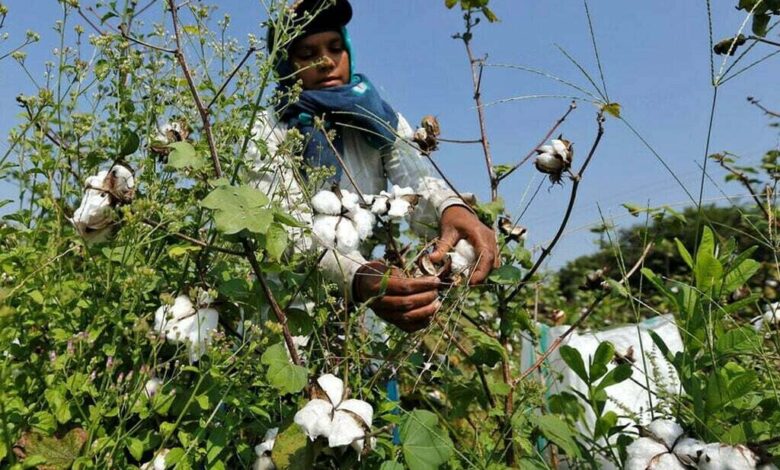
More than 90 participants, including women cotton workers, labor rights activists, trade union leaders, progressive growers, and representatives from government departments, gathered in Hyderabad to demand safe working conditions, fair wages, and climate justice for more than one million women agricultural workers across Sindh. The event, organized by the Sindh Community Foundation in collaboration with the Commonwealth Foundation, took place at Indus Hotel under the theme “Claiming Safe Working Conditions and Climate Justice.”
The gathering served as a rare and vital opportunity for women cotton workers to speak directly about their working conditions. Many shared stories of long hours, low pay, unsafe use of agrochemicals, and being excluded from social protections, even while contributing the majority of labor in the cotton sector. They expressed the need for urgent government action to address labor violations and to ensure that women in agriculture are protected under existing labor laws.
Javed Hussain, Executive Director of Sindh Community Foundation, opened the event by calling for fast-tracked implementation of social protection programs for women in agriculture. He stressed that climate change is not only an environmental issue but a growing threat to the health and dignity of rural women. He pointed to the Sindh Women Agricultural Workers Act of 2019 as a legal tool that could offer relief, but noted the law remains unimplemented in most districts.
Nadeem Shah of the Sindh Abadgar Board emphasized that although women make up more than 70% of Sindh’s agricultural labor force, they are still not formally recognized under labor laws. He argued that agriculture should be legally classified as an industry to enable proper labor rights enforcement.
Climate and agriculture expert Dr. Muhammad Ismail Kumbhar added that water shortages have reduced the cotton yield to just 65% of its expected output this year. When productivity drops, it is the women laborers who suffer the most, facing reduced wages and job insecurity.
At the grassroots level, union leader Zubaida Solangi from Meho Machi, Matiari, highlighted the continued exclusion of women from welfare boards and compensation funds. She urged the government to ensure that women agricultural workers are included in every layer of social protection and economic planning.
Dr. Muhammad Aslam Memon from the Pakistan Agricultural Research Council raised concerns about hazardous agrochemical use and its impact on workers’ health. He called for increased training in sustainable farming methods, such as organic practices, tree plantation, and food preservation to protect women’s health and improve long-term livelihoods.
Other prominent voices at the assembly included activists and government officials like Shahnaz Sheedi, Pushpa Kumari, Gufrana from the Human Rights Commission of Pakistan, Pirah Syal of the Environmental Protection Agency Hyderabad, and Sajid Soomro from the Social Protection Department. They all underscored the need for gender-sensitive enforcement of labor and environmental regulations. They called for better coordination among departments to ensure that policies translate into protections on the ground.
This gathering marked a significant step forward in bringing visibility to the struggles of women cotton workers in Sindh. With unified voices from across civil society and government, the assembly delivered a clear message: rural women deserve dignity, safety, and fair compensation for their work. Their calls for justice and recognition are not just demands but a necessary shift toward equity in Pakistan’s agricultural landscape.