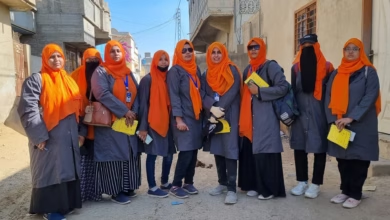

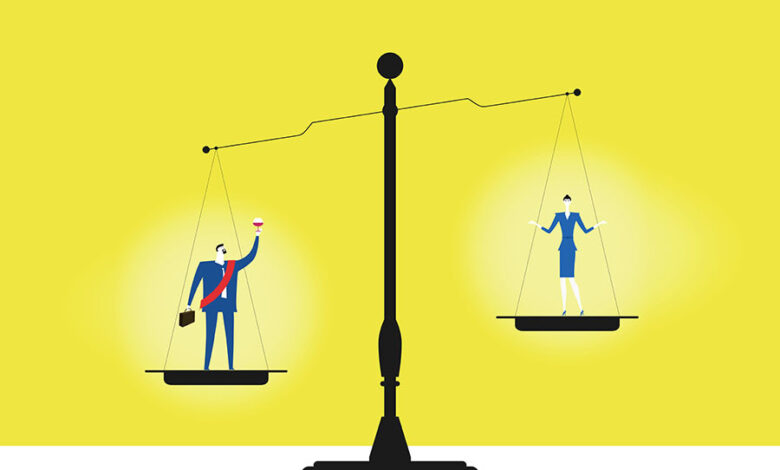
Women make up half of the world’s population, thus they are more than just decorative items to be displayed at home or inferior beings for whom chances are never meant to present themselves. She is a valuable member of society on par with men, whose inclusive participation can accelerate advancement in the fields of politics, the economy, and society at large.
She shouldn’t be kept inside the house’s walls; instead, her full potential must be realised if society is to develop. She is a change-maker and an untapped resource whose might, once unleashed, can alter the rate of progress and can rev up achievement of sustainable development. She is not merely a beauty figure to be idealised in poetry.
The modern woman is underutilised, overworked, uneducated, and significantly less powerful than she used to be. Her skills are also not acknowledged. She is stereotyped and objectified. She is associated with derogatory labels such as fair-sex and weaker-sex. It is believed that she lacks reason. women is purposefully left behind since it is believed that women lacks the physical strength of men. In the areas of leadership, work, education, and health, women is not afforded equal rights and opportunities. She has no say in the process of formulating decisions or policies.
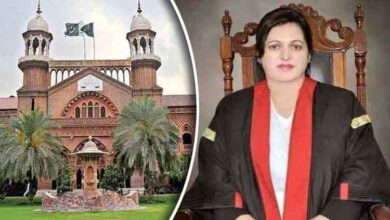
In parliaments, governments, and organisations, she does not hold high positions. Her absence from higher positions in the organisational organogram makes fun of gender equality, which is the UN’s fifth Sustainable Development Goal. Her situation in third-world nations is appalling. For equivalent job, she receives less money than males. She experiences abuse, humiliation, and harassment at work. It is hard to consider improving her situation in any sector if she does not have access to fair competition and a supportive atmosphere.
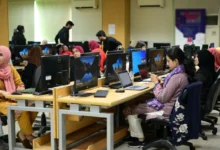
Giving women the capacity to use their agency and end the so-called sexual stratification system will enable them to resist oppression and make informed decisions about their lives. Stereotypical roles that are assumed to be exclusive to women need to be reconsidered. Economic progress is unimaginable without employing half of the world’s population. More than ever, their active involvement in all aspects of life is greatly needed.
The only way to accelerate global social progress and improve the economic prospects is to improve the social, political, and economic standing of impoverished women. Encouraging her to participate in decision-making and offering her equal rights, compensation, and benefits at work is the only way to fully use her potential.