UN Security Council Calls for Stronger Global Action to Protect Women in Conflict Zones
As the 25th anniversary of Resolution 1325 nears, UN leaders urge nations to strengthen women’s participation in peacebuilding and address rising violence against women in war-torn regions.

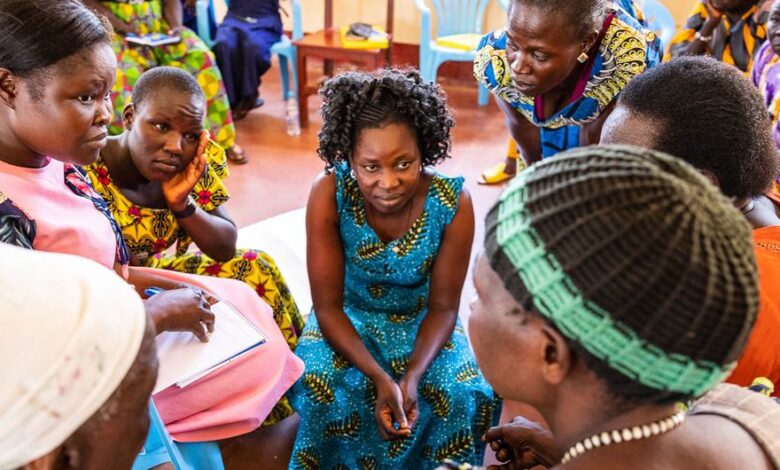
At the United Nations Security Council’s annual open debate on Women, Peace, and Security, global leaders gathered to reflect on 25 years since the adoption of Resolution 1325 — a landmark moment that recognized women’s essential role in achieving peace and stability. Yet despite decades of advocacy and countless commitments, UN officials warned that the world is still falling short when it comes to protecting women and empowering them in conflict zones.
UN Secretary-General António Guterres opened the session by acknowledging that Resolution 1325 “gave voice to a simple truth: women’s leadership is central to just and lasting peace.” However, he admitted that while the resolution inspired progress, the reality remains grim. “Too often, we gather in rooms full of conviction and commitment—only to fall short when it comes to real change in the lives of women and girls caught in conflict,” he said.
In his recent report, Mr. Guterres outlined both progress and setbacks. More than 100 countries have adopted national action plans on women, peace, and security, but the global picture remains troubling. Rising military spending, escalating armed conflicts, and increased brutality against women and girls are eroding past achievements. The statistics are alarming — in the past year, 676 million women lived within 50 kilometers of deadly conflict, the highest number in decades. Incidents of sexual violence against girls have increased by 35 percent, and in some regions, girls make up nearly half of all victims.
Mr. Guterres also highlighted the growing dangers faced by women in public life — journalists, activists, and politicians — who are being targeted through harassment and violence. He drew attention to the situation in Afghanistan, where “the systematic erasure of women and girls from public life is in overdrive.” Similar conditions persist in the Occupied Palestinian Territory, Sudan, Haiti, and Myanmar, where women and girls endure displacement, exploitation, and violence.
The Secretary-General warned that women’s organizations, often the only source of support in crisis zones, are struggling to survive. A recent UN Women survey revealed that 90 percent of local women-led organizations in conflict settings face severe financial challenges, with nearly half expected to close within six months. He called on member states to act decisively — to increase funding for these organizations, ensure women’s equal participation in peace processes, and hold perpetrators of gender-based and conflict-related violence accountable. “Women must be at the table — not as tokens, but as equal partners,” he emphasized.
Sima Bahous, Executive Director of UN Women, stressed that the 25th anniversary of Resolution 1325 “must be more than a commemoration.” She said women and girls living through conflict “deserve more than words—they deserve action.” Referring to the ongoing war in Gaza, she mentioned that even amid the suffering, “a glimmer of hope emerges,” welcoming the international responses to efforts for peace.
Looking ahead, Bahous urged nations to ensure that the next 25 years bring real transformation through greater funding, binding quotas for women’s participation, and accountability mechanisms that make failures visible. “It must be a moment to refocus, recommit, and ensure that the next 25 years deliver much more than the last,” she said.
The debate ended with a collective call for action. The Security Council reaffirmed that sustainable peace cannot exist without women’s full inclusion in decision-making. As the world marks the 25th anniversary of Resolution 1325, the message from the UN was clear — it is time to move beyond promises and make women’s security, participation, and leadership a global priority.