
SBP Joins WE Finance Code with $500m ADB Backing
With $500m support from ADB, Pakistan’s central bank joins the WE Finance Code to unlock women’s economic potential, aiming for 30% GDP boost through inclusive financial access

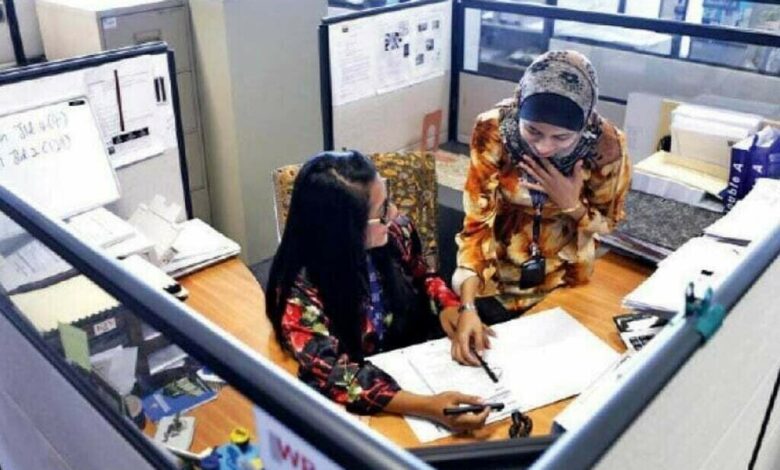
In a major milestone for financial inclusion and women’s empowerment, the State Bank of Pakistan (SBP) officially joined the Women Entrepreneurs Finance Code (WE Finance Code) on Monday. This initiative, led globally by the World Bank and supported regionally by the Asian Development Bank (ADB), is aimed at narrowing Pakistan’s gender finance gap. As part of this effort, a $500 million funding programme has been extended by ADB to the Government of Pakistan, focused on enhancing women’s access to financial services and improving gender parity in the workforce.
A significant $350 million loan agreement has already been signed under this initiative to provide over 2 million women with better access to finance. According to global financial studies cited by SBP, the move has the potential to boost Pakistan’s GDP by up to 30%, highlighting the transformative power of including women in the formal economy. The impact is not just social—it’s also economic. Expanding financial access for women could unlock $650 million in additional banking revenue in Pakistan alone.
ADB representative Christine Engstrom said the programme merges policy-based lending with technical assistance to drive structural reforms. “This is not just a women’s issue. It’s an economic development strategy,” she stated, emphasizing that inclusive financial systems are essential for sustainable and equitable growth. She praised SBP’s “Banking on Equality” policy framework, which is beginning to shift mindsets within financial institutions and embed gender inclusion into the sector’s core operations.
According to SBP spokesperson Abid Qamar, only 17 million of Pakistan’s 79 million working-age women are currently employed, and merely 164,000 are entrepreneurs. These numbers reflect the structural barriers—such as limited mobility, financial illiteracy, lack of capital, and gender-biased regulations—that keep women from contributing fully to the economy. Citing studies from the ADB and Islamic Development Bank (IDB), he noted that reducing the gender gap in South Asia alone could boost the regional economy by up to half a trillion dollars.
The WE Finance Code is designed to break these barriers by engaging all sectors of the financial industry. Twenty financial institutions in Pakistan have signed up to implement inclusive policies—ranging from improving women’s eligibility for loans to expanding the reach of bank branches, ATMs, and digital finance options. Beyond just commercial banks, the initiative hopes to involve fintech firms, equity funds, and digital platforms in creating a truly inclusive financial ecosystem.
Wendy Teleki, representative of the WE Finance Secretariat, noted that more than 250 global financial institutions in over 30 countries have already signed the Code. She stressed the importance of extending this effort beyond just banks to include a wide range of financial actors who can play a role in supporting women-owned SMEs, job creation, and economic participation. “We are targeting barriers such as limited credit access and outdated policies that restrict women’s potential,” she said in a video message.
SBP Governor Jameel Ahmad called the launch a strategic step to put women’s economic participation at the center of national development. “No country can thrive when half of its population is underemployed and underserved,” he said, calling the case for gender equality both a moral and economic imperative. He outlined SBP’s plan to collaborate with banks, regulators, the government, private sector, and academic institutions to build an inclusive, supportive ecosystem for women entrepreneurs.
Currently, Pakistan ranks among the lowest in the region for female labor force participation—just 22%. Gender gaps in education, financial literacy, and access to capital not only hold back women, but also restrict national economic growth and productivity. By fully implementing the WE Finance Code and embedding gender-smart practices across institutions, Pakistan has an opportunity to unlock the full potential of its population and stimulate long-term, inclusive growth.