Rising Voices: Women-Led Protests Demand Equal Rights and Safety in pakistan

One-quarter of the world’s population, or thirty percent of the youth, reside in South Asia. In particular, Pakistan’s population is surpassing all previous records. The current generation of young people in the nation is the largest in its history. The population is under thirty-four percent (64%) old. Pakistan has seen an increase in violence in recent years, both in terms of regularity and scope and size. Along the Afghan border, where radicalism and intolerance for diversity have grown, violence is at its worst.
Demographics of Pakistan
Pakistan’s youth present a chance for personal growth and economic expansion, but violence often confronts them instead. Their agency and involvement are so limited. Due to Quetta’s proximity to the Afghan border in the southwest of the country in the Baluchistan region, the city’s youth population is especially vulnerable. Quetta is the headquarters of numerous Islamic hardline organizations.
Target killings, suicide bombs, disappearances, and damage are the everyday norm in the city. Pakistan’s youth present a chance for personal growth and economic expansion, but violence often confronts them instead. Their agency and involvement are so limited.
ASR Resource Centre’s Roundtable Discussion
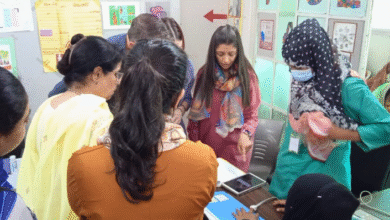
The ASR Resource Centre (ASR) in Pakistan, one of our members, acknowledges the special ability of youth to effect change. For this reason, they extended an invitation to the University of Balochistan’s younger students to take part in a roundtable discussion. They got to take part in such a forum for the first time in their lives. There was particular enthusiasm from young ladies to participate.
It is common for young women in Pakistan to be left out of debates. The roundtable’s unique environment encouraged women to feel comfortable expressing themselves. ASR had implemented rigorous confidentiality guidelines. They experienced understanding and respect through peer exchange in a secure environment. They experienced empowerment.
The ASR facilitator thought about Pakistan’s conflict condition to start the conversation. She emphasized in particular how conflict affects women. After that, participants were invited to discuss their experiences with militancy, radicalism, and violence in the area. They listed the primary barriers to a peaceful society as being unemployment, drug smuggling, religious fanaticism, and tribal strife.
Empowering Pakistan’s Youth for Peace
Young people play a critical role in peace processes, helping to influence decisions that will impact their entire life and using nonviolent measures to stop violence from happening again.
They also discussed how to proceed and the role that youth should play in tackling these problems. Numerous others emphasized how crucial education is in combating harmful stereotypes. Others recommended facilitating talks even further to foster a peaceful atmosphere. They also emphasized the need for women to take the lead in promoting peace and acting as change agents.
Conclusion
The conversation was viewed by the attendees as a great success and an empowering experience. It’s a great illustration of how to involve young people meaningfully in peacekeeping and conflict prevention. It demonstrates that everyone in society needs to be involved in order to ensure lasting peace. Youth is included in this. Young people play a critical role in peace processes, helping to influence decisions that will impact their entire life and using nonviolent measures to stop violence from happening again.