Pakistan Bans Child Marriage in Islamabad — A Bold Step Toward National Reform
New law in Islamabad sets legal marriage age at 18, marking a major win for child rights and fueling calls for nationwide protection.

In a historic move, Pakistan has officially outlawed child marriage in the Islamabad Capital Territory, setting the minimum legal marriage age at 18. The landmark legislation introduces strict penalties for those arranging or facilitating underage marriages and is being hailed as a major step forward for child protection and human rights in the country.
Why This Law Matters
While the law is currently limited to the federal capital, it is being seen as a legal and moral turning point with the potential to drive similar reforms nationwide. For years, survivors of child marriage, civil society organizations, and lawmakers have fought to safeguard children from early, forced marriages — which often result in long-term harm and exploitation.
Child marriage is closely linked to modern slavery. It strips girls of the chance to complete their education, limits their economic independence, and increases their risk of domestic violence and abuse. The new law aligns Pakistan with international child protection standards and sends a clear message: children deserve their childhood.
Political and Religious Context
Despite resistance from some religious factions, the bill was backed by legal experts and strengthened by a 2023 ruling from the Federal Shariat Court, which affirmed that setting 18 as the legal marriage age is consistent with Islamic teachings.
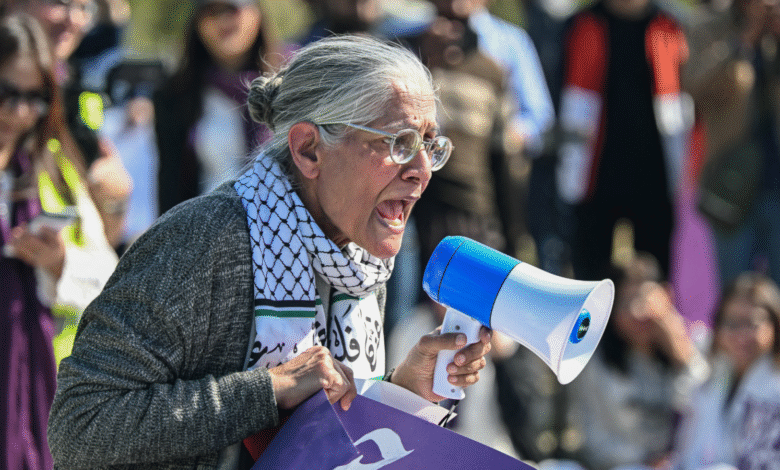
Senator Sherry Rehman, a vocal advocate for the bill, stated:
“This law is not just about banning child marriage. It is a declaration that our girls deserve the right to childhood, to education, to health, and to a life free from coercion and harm.”
Her remarks capture the broader vision behind the law — one of protection, empowerment, and equality for Pakistan’s youth.
A Fragmented Legal Landscape
Currently, Pakistan’s laws on child marriage vary widely between provinces. Sindh was the first to outlaw child marriage in 2013 by setting the legal age at 18. However, provinces like Punjab and Khyber Pakhtunkhwa still allow girls to marry at 16 under customary or religious exceptions.
This legal inconsistency leaves many children vulnerable, making the new law in Islamabad a catalyst for broader national change. It also revives the debate on the need for a unified, rights-based child marriage law across Pakistan.
Next Steps for the Government
Walk Free, a global human rights group, has called on the Pakistani government to treat child marriage as a form of modern slavery and to take the following actions:
-
Raise the legal marriage age to 18 nationwide, with no exceptions.
-
Criminalize all forms of child sexual exploitation.
-
Provide survivors with trauma-informed legal and psychological support.
This moment marks more than just a legal update — it is a promise of hope, dignity, and protection for Pakistan’s next generation.