Education for All: Efforts to Expand Pakistani Girls’ Educational Opportunities

The empowerment of women is a fundamental component of progress and societal evolution within the rich cultural landscape of Pakistan. Nonetheless, a crucial facet that is frequently disregarded in this endeavor is the education of girls. The call for women’s rights activists to support girls’ education resonates in Pakistan because it is a critical first step towards achieving full gender equality and empowerment.
There is a strong correlation in Pakistan between women’s empowerment and girls’ education. The nation faces issues where girls’ access to high-quality education is hampered by sociocultural norms, economic inequality, and inadequate infrastructure. These obstacles prevent women and girls in Pakistani society from reaching their full potential and feed a cycle of inequality.
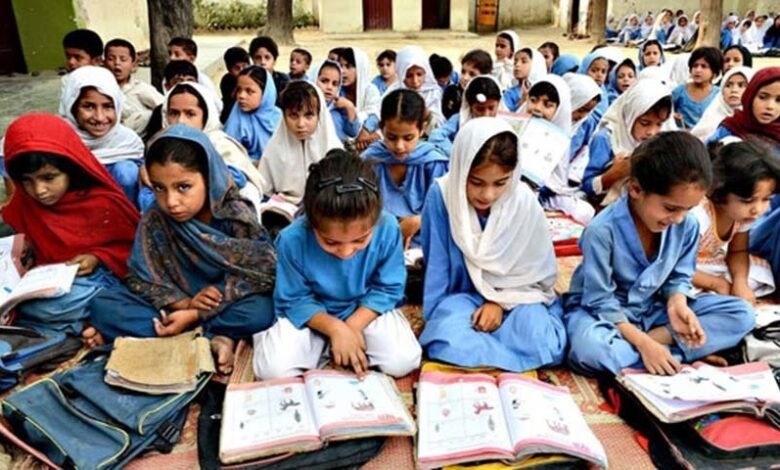
Girls’ education is essential to changing this story. It gives them the abilities, information, and self-assurance they need to defy social expectations and make significant contributions to their communities. But the numbers paint a harsh picture of the situation: millions of girls in Pakistan are not able to receive an education because of a range of socioeconomic issues, such as poverty, cultural barriers, and a lack of educational resources, particularly in rural areas.
In Pakistan, women’s rights activists are essential in promoting girls’ education. Their tenacious endeavors, campaigns, and initiatives highlight the differences and demand legislative adjustments to close the gender gap in education. Girls’ rights are upheld and education is made available to them thanks to the tireless efforts of organizations such as the Pakistan Alliance for Girls Education (PAGE) and others.
Pakistan’s government has responded to these issues by introducing programs such as the Benazir Income Support Program and offering stipends to incentivize girls to attend school. But there’s still more work to be done in terms of developing infrastructure, implementing policies, and changing cultural norms that prevent girls from pursuing higher education.
Communities in Pakistan are also crucial in creating an atmosphere that is conducive to girls’ education. Encouraging girls’ education, embracing gender equality, and questioning conventional wisdom are essential measures in guaranteeing that all girls have unrestricted access to high-quality education.
It is not just the duty of activists, governments, and communities to empower women via education. It is our collective responsibility. It entails a determined effort on the part of each and every person to provide financial support for girls’ education, to mentor young women, and to push for legislative changes that guarantee equal access to education for all.
In Pakistan, women’s empowerment is essentially contingent upon the provision of education for girls. It’s important to foster an environment where all girls can dream, learn, and contribute—it’s not just about education. Together, let’s push for a Pakistan where all girls have access to education so that we can create a more prosperous, inclusive, and empowered society.