Gender-Based Violence Addressed as a Public Health Concern in Chitral
Workshop stresses need for coordinated efforts to combat rising women’s suicides

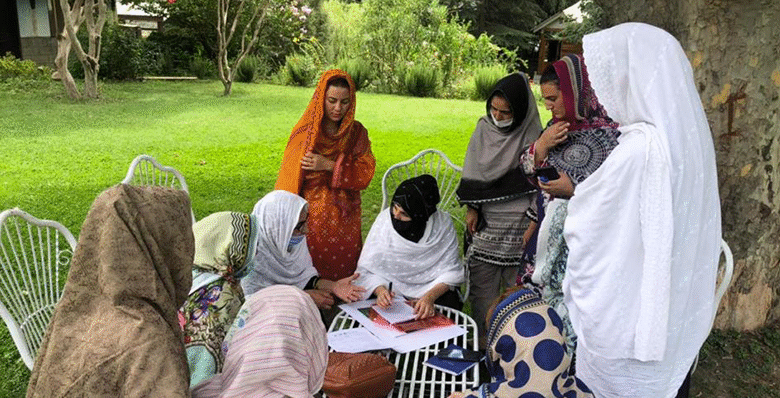
A consultative workshop on gender-based violence (GBV) as a public health issue was held in Chitral on Wednesday, highlighting the urgent need for joint and coordinated efforts to address the alarming rise in suicide cases among women in the region. The session was organized by Aga Khan Foundation Pakistan under its Foundation for Health & Empowerment (F4HE) project and brought together representatives from key departments including health, education, social welfare, police, district administration, and civil society organizations.
Trainer Qudsia Mehtab Mehmood explained that GBV must be recognized as a pressing public health issue rather than a private or social matter. She emphasized that the workshop’s main goal was to create a collaborative platform where departments could identify gaps in the health system, strengthen coordination, and propose actionable solutions to both prevent and respond to GBV effectively.
During discussions, participants acknowledged the severity of the issue in Chitral, where cultural and social factors often worsen the challenges faced by women. The working groups pointed out that the lack of awareness, limited access to support systems, and societal stigma make it difficult for survivors to seek timely help. To counter this, they recommended awareness campaigns, streamlined response mechanisms, and improved support services that can provide immediate and accessible relief to survivors of violence.
The session stressed the need for introducing education and community-driven strategies to reshape societal attitudes toward GBV. Participants agreed that empowering women through education and stronger community support systems would help reduce vulnerabilities. They also proposed establishing specialized health response units that could treat GBV survivors with dignity, confidentiality, and prompt care.
Lower Chitral Deputy Commissioner Muhammad Hashim Azim, who attended as the chief guest, appreciated the workshop and reaffirmed the administration’s commitment to tackling GBV as part of wider social reforms. He shared that the district administration was already working on setting up a dedicated unit to address GBV cases. Additionally, he revealed that a special curriculum was being developed for primary school students, covering social and environmental issues in engaging ways to encourage children to grow up with positive attitudes and social awareness.
The workshop concluded with a consensus that addressing GBV requires a multi-sectoral approach where government departments, NGOs, and communities collaborate closely. Treating it as a health emergency rather than a secondary issue is seen as the key to reducing violence and preventing the growing trend of suicides among women in Chitral.