Taliban Arrest Women in Kabul Over Dress Codes, Escalating Gender Apartheid
Dozens detained under new decree as Afghan women continue to resist systematic erasure of rights

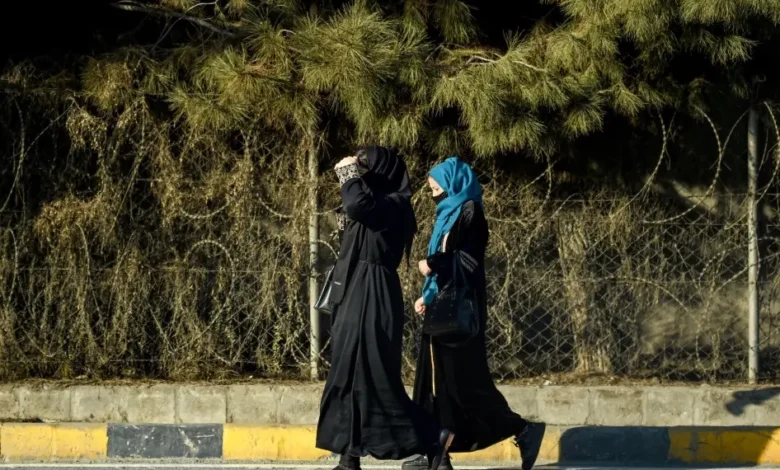
Since July 16, the Taliban have intensified their campaign against women’s autonomy by arresting dozens of women and girls in Kabul for allegedly violating their dress code. These arrests are part of a broader and deeply repressive framework enforced under the Taliban’s “vice and virtue” decree issued in August 2024, which mandates that women must fully cover their bodies and faces in public at all times.
The wave of detentions has triggered fear across Afghanistan, reinforcing the regime’s growing control over women’s appearance, behavior, and presence in public spaces. Yet despite the sweeping restrictions, women continue to resist—sometimes silently, sometimes visibly. As one woman, identified as Sara, explained, “No matter what levels of restrictions the Taliban create, women and girls will still go outdoors and add fashion and color to their hijabs. This seems to be the Taliban’s real problem.”
Sara’s words capture a quiet but powerful form of defiance—an insistence on individuality and dignity in the face of authoritarian rules. While the Taliban claim to enforce morality, their true aim appears to be total control, with women’s bodies at the center of their campaign for dominance. By targeting clothing choices and punishing so-called “bad hijab,” they are not simply regulating dress—they are systematically erasing women’s agency, autonomy, and participation in society.
Afghan women’s rights defenders and international experts have called this system what it is: gender apartheid. Under Taliban rule, women are not just marginalized—they are intentionally excluded from education, employment, and public life. They are imprisoned in their homes by law and punished when they attempt to reclaim even a fraction of their freedom. This isn’t just a rollback of rights; it’s a deliberate architecture of erasure.
Despite these harsh realities, Afghan women continue to assert their presence. Nahid, Sara’s sister, put it plainly: “No matter what tactics or power authorities use, we will still find ways to go out. We can’t be imprisoned at home.” Their resistance—through movement, expression, and the choice to simply be seen—stands as a bold refusal to disappear.
Meanwhile, the global response has been disappointing. The silence of many international actors, combined with decisions like Russia’s recognition of the Taliban, sends a dangerous message: that such systematic abuse can be normalized or ignored. Afghan women are calling for more than sympathy—they are calling for accountability. This includes urgent support for establishing gender apartheid as an international crime, to formally recognize and prosecute regimes that structure their power through gender-based exclusion and violence.
The arrests in Kabul are not isolated incidents. They are a symptom of a regime determined to remove women from public life. But as long as Afghan women continue to resist, the Taliban’s vision of total control remains incomplete. What they fear most is not uncovered faces—but unbroken spirits.
Ask ChatGPT