In The Face of Harassment, Pakistani Women Journalists are Breaking Stereotypes

Pakistan ranks 150 out of 180 countries in Reporters Without Borders’ World Press Freedom Index this year, with just 5% of journalists being female.
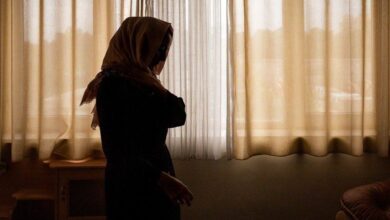
A major factor in the nation’s deteriorating press freedom is the attacks and censorship directed towards female reporters. In particular, harassment of Pakistani women journalists on social media is a common occurrence. Gender-based epithets, violent threats, and attempts to breach their online accounts have all been reported attacks. The journalists claim that in addition to putting their safety in jeopardy, the harassment violates their legal right to protection.
Nevertheless, despite these criticisms, female journalists are continuing to advance their efforts to transform national discourse and storytelling. They have a vital role in changing Pakistani society with their strong and determined reporting.
Cultural and Patriarchal Barriers
The patriarchal and cultural norms that plague Pakistani women journalists are the source of many of their problems. There is a reluctance to assign women reporters to cover hard news, and their competence is often questioned. “There is still a prevalent stereotype that women are incapable of handling difficult news,” Sindh Province journalist Sobia Saleem noted.
Pakistan’s $2 billion media sector regularly excludes women journalists from positions of leadership. Opportunities for women remain limited, especially in smaller cities, and their career prospects are hampered by wage disparities and a pervasive glass ceiling.
According to Atiya*, a journalist from the Balochistan Province, barriers still exist even though women have been able to pursue better opportunities thanks to improved social and economic conditions. She stated, “Social norms and financial limitations deter women from entering the field.” “Social barriers and tribal complexities make some stories unfeasible.”
Particularly in Balochistan, the dearth of female journalists is indicative of a broader disdain for women’s voices and the problems affecting them. The province has been at war since 2007, but there are few in-depth reports of family suffering, particularly involving women and children. This is partly because of social conventions that prevent unrelated men and women from conversing with one another.
Mistreatment
In Pakistan, two female journalists, Urooj Iqbal and Shaheena Shaheen, lost their lives in 2019 and 2020. The deaths have increased the fear of female journalists for their safety. Aneela Shaheen, a journalist from Khyber Pakhtunkhwa province, stated that other factors contributing to this lack of security include working conditions, limited benefits like maternity leave, and a lack of anti-harassment policies in the newsroom. According to Pakistani social media expert Nadia Choudhary, sexual harassment is also common.
Social media has given women a platform to share their opinions, build their personal brands, and hone their professional skills, but Choudhary noted that it has also made them more vulnerable to the growing problem of online harassment. She continued, saying that this is made more intense in a culture where traditional ideas about women’s roles are pervasive.
Tips From Female Journalists
The women who were interviewed for this article stressed the importance of both their own initiative and the support of their peers in enabling them to overcome obstacles.
Journalist Aneela Mehmood, who is from Punjab province and specializes in women’s issues, health, and human rights, said that media organizations and other journalists have been supportive of her journey. She emphasized that years of dedication to presenting facts in an unbiased manner have contributed to her success as a journalist.
Meanwhile, Aneela Shaheen has written about topics like the consequences of Talibanization and the 2009 Nizam-e-Adl Regulation, which officially imposed Sharia law in Khyber Pakhtunkhwa’s Malakand district. She clarified that reporting on such delicate subjects necessitates a thorough investigation as well as assistance from friends and colleagues. Shaheen stated, “My path was paved with obstacles, but the steadfast support of my family, colleagues, and the Peshawar Press Club propelled me forward.”
Speaking with female journalists, they stressed the importance of upholding journalistic ethics. Saleem stated, “Deep research, stakeholder consultations, and safety precautions are necessary when exploring sensitive topics.”
“Sincerely reporting on sensitive issues requires adherence to these principles, while also ensuring safety,” Atiya concurred.
Upcoming Upgrades
According to Saleem, advancement in the media for women depends on education, mentoring, and workplace change. These programs have the power to dismantle obstacles and elevate the voices of women. She also mentioned the importance of internships and hands-on training in this endeavor.
Universities should include curriculum that prepares women for the challenges they will face in the real world. Women can be encouraged to pursue journalism by “bridging this gap through mentorship and practical education, sparking a transformative and impactful journey,” according to Atiya.
Media companies should support policies that are gender-sensitive, inclusive, and mentorship-focused. Choudhary stated that this entails supporting gender quotas, training, and initiatives to eradicate bias. She also added that preconceptions about what kinds of topics women journalists can and cannot cover need to be dispelled. This will contribute to the development of a fair media environment in the nation.
Professor of media studies at the University of Sindh Abdul Razaque Chhachhar stated, “Journalism’s evolution must be steered toward inclusivity, where diverse voices, particularly those of women, can thrive authentically and contribute to a more balanced and representative media landscape.”
The perseverance and tenacity of Pakistani women journalists is demonstrated by their body of work. While simultaneously advocating for inclusion, mentorship, and equal opportunity, female journalists can craft compelling narratives. “With perseverance, diligence, and inclusivity, we can carve a fulfilling path even as we traverse the difficult terrain of delicate stories.”