

The livelihood of almost 1.5 million smallholder farmers in Pakistan is derived from cotton. At 8.5% of GDP, cotton is the most frequently grown crop in the nation and a vital raw material for the expanding textile sector. The future of Pakistan’s cotton production, however, will depend on men and women working together to combat climate change and advance sustainable farming methods as cotton producers deal with the consequences of harsh weather and bug outbreaks harming the crops.
In their communities, female cotton farmers can serve as strong role models for other women, encouraging them to assume more responsibility in their family businesses and encouraging young women to seek leadership roles in their communities. This entails changing deeply ingrained perceptions of men’s and women’s responsibilities in the home and in the workforce in rural Pakistan. Specifically, female cotton workers are frequently limited to low-paying physical labour with less job security than male counterparts, and they frequently lack the ability to influence farming practices or corporate decisions.
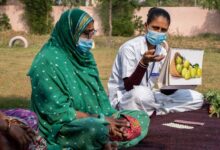
Women in Pakistan are being empowered to take on more responsibility in the fields and even become independent farmers thanks to the work of our six Implementing Partners, who are local partners who assist and train Better Cotton Farmers. They manage women’s learning groups and host educational programmes for female farmers known as Rural Women’s Days. In the Punjab and Sindh provinces of Pakistan, our Implementing Partners collectively serve over 117,500 female cotton labourers and 140 female farmers. They assist women in overcoming obstacles related to culture, finances, and practicality while also teaching them how to grow cotton in a more sustainable manner.
In order for female Better Cotton Farmers to exchange experiences, Better Cotton Implementing Partners bring women together. Through these activities, they hope to spread the idea that women should have the freedom to pursue their goals and that, by becoming Better Cotton Farmers, they will have access to the resources, opportunities, and know-how necessary for success.