South Asia Faces Anaemia Crisis Among Women and Girls
UN and SAARC urge urgent action as 259 million South Asian women and girls suffer from anaemia, threatening health, education, and economic futures

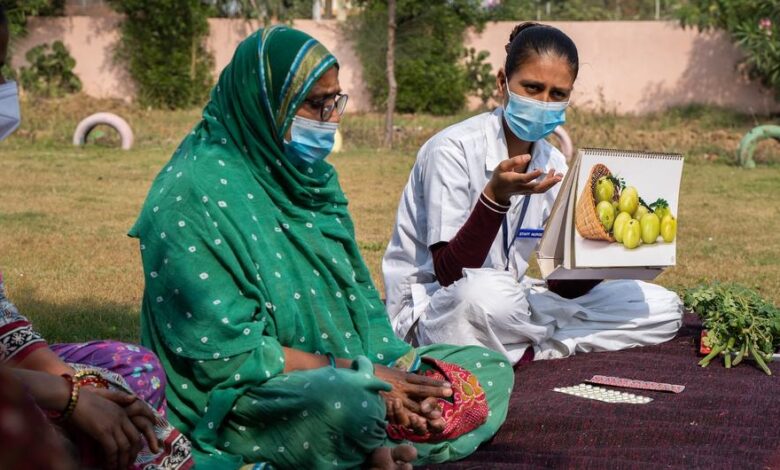
A joint warning issued on Wednesday by UN agencies and the South Asian Association for Regional Cooperation (SAARC) has spotlighted South Asia as the global epicentre of anaemia among adolescent girls and women. The figures are alarming: an estimated 259 million women and girls across the region currently suffer from anaemia, a condition that compromises oxygen flow in the body, contributing to chronic fatigue, poor maternal outcomes, and reduced educational and economic opportunities.
Sanjay Wijesekera, Regional Director for UNICEF South Asia, described the findings as a “clarion call for action,” adding, “When half of all adolescent girls and women in South Asia are anaemic, it is not only a health issue – it is a signal that systems are failing them.”
The Hidden Impact of Anaemia
Anaemia affects much more than just energy levels. It has devastating consequences across generations, playing a major role in 40% of the world’s low birth weight cases. It contributes to poor child growth, developmental delays, and low academic performance — especially in economically vulnerable households.
The economic burden is equally severe: the cost of anaemia to South Asian economies is estimated at $32.5 billion annually. This economic loss stems from reduced workforce productivity, poor maternal and infant health, and the continued marginalisation of women.
A Preventable Condition
Despite its widespread presence, anaemia is both preventable and treatable. Proven strategies include:
-
Iron and folic acid supplementation
-
Iron- and vitamin-rich diets
-
Better sanitation and hygiene
-
Infection prevention and maternal health care
The key, however, lies in coordinated, multisectoral efforts that integrate health, education, agriculture, and community engagement.
Encouraging Signs Across the Region
Several countries are already taking promising steps. In Sri Lanka, 18.5% of women of reproductive age are anaemic. The government is scaling up its national nutrition programme to focus on the most vulnerable districts.
India, home to the largest number of anaemic women, is embedding iron supplementation in school health programmes and maternal care services, especially in high-burden states. Similarly, Pakistan is running pilot programmes that link community-based nutrition with reproductive health services to improve early detection and follow-up care.
In Bangladesh, school-based initiatives offer adolescents fortified meals along with health education — a collaboration between the education, health, and agriculture ministries.
Community-Driven Models Yield Results
The Maldives and Bhutan, although smaller in population, are investing in early prevention. Their strategies include childhood nutrition, food fortification, and public awareness campaigns. Both countries are also enhancing surveillance to track anaemia trends and improve policy response.
Nepal stands out as a success story. Since 2016, it has reduced anaemia in women of reproductive age by 7%, with even higher improvements in disadvantaged regions. One of Nepal’s major strengths is its female community health volunteer network, which delivers counselling, basic nutrition guidance, and links families to public services even in remote areas.
Public health nurse Man Kumari Gurung in Nepal’s Karnali Province praised government-backed programmes like Sutkeri Poshan Koseli (Nutrition Gift for New Mothers). “Pregnant women receive eggs, chicken, and other nutritious food. Cash grants help them reach hospitals for safe delivery and better postnatal care,” she explained.
A Collective Responsibility
Ending anaemia is not just a health sector challenge — it is a collective responsibility. Governments must lead with policy reform and financing, but schools, community health workers, civil society, and families all play critical roles.
UNICEF, WHO, and SAARC have called for stronger health systems, reliable data, and cross-sectoral coordination to address the root causes of anaemia and ensure equity in access to nutrition and healthcare services.
Empowering women and girls with better nutrition is not just a moral imperative — it is an economic and social investment. As long as anaemia continues to limit their potential, South Asia’s development will remain incomplete. The time to act is now.