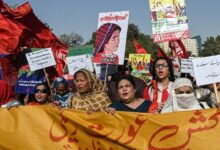
8 Million Women in Pakistan Gain Mobile Internet Access Last Year, Narrowing Gender Gap
Pakistan sees record 12% surge in women’s mobile internet usage—the highest globally—driven by rural outreach and national digital inclusion efforts.


ISLAMABAD: Pakistan witnessed a historic breakthrough in digital inclusion during 2024 as 8 million women gained access to mobile internet, marking the largest gender parity improvement in years. According to the Mobile Gender Gap Report 2025, the gender gap in mobile internet usage fell sharply from 38% in 2023 to 25% in 2024—the first major reduction since 2021.
The report highlights that women’s mobile internet usage in Pakistan soared from 33% to 45%, a staggering 12 percentage-point increase in just one year. This is the highest increase recorded among all countries surveyed, and a testament to the impact of inclusive policy-making and on-ground implementation. The bulk of this growth came from rural areas, where dedicated digital outreach programs and women-focused training initiatives have been making steady progress.
In total, Pakistan added approximately 13 million new mobile internet users in 2024—8 million women and 5 million men—further reinforcing the effectiveness of the country’s digital expansion policies. This milestone is a direct result of the government’s strategic focus on inclusivity and connectivity for all citizens.
Minister for Information Technology and Telecommunication, Shaza Fatima Khawaja, praised the coordinated national efforts that led to this success. “This progress is the result of a clear vision at the top and coordinated implementation across institutions,” she said. “Our Ministry remains committed to ensuring that no one, especially women, is left behind in Pakistan’s digital transformation.”
These gains align with Prime Minister Muhammad Shehbaz Sharif’s Digital Nation Pakistan Vision, which prioritizes gender equity, universal connectivity, and empowerment through technology. The government’s efforts have spanned from subsidies on smartphones to community-level digital literacy programs, especially targeting women in underserved regions.
The Ministry of IT and Telecommunication (MoITT) acknowledged the pivotal roles played by the Pakistan Telecommunication Authority (PTA), the National Commission on the Status of Women (NCSW), mobile network operators, and various development partners. Their collaboration created a robust framework for digital growth, tailored to break social and structural barriers that have historically excluded women from tech access.
This achievement not only narrows the digital gender divide but also fuels broader socio-economic development. Access to mobile internet is directly linked to opportunities in education, health, finance, and entrepreneurship—areas where women’s inclusion can drive national growth and resilience.
Pakistan’s digital journey is now being recognized as a regional model for inclusive growth. The challenge ahead lies in maintaining this momentum, ensuring digital safety for women, and equipping them with the tools to leverage this connectivity for long-term empowerment.
With the groundwork laid and institutional commitment in place, 2024 may well be remembered as the year Pakistan took a giant leap toward a truly inclusive Digital Pakistan.