Why Are Pakistan’s Educated Women Still Missing from the Workforce?
Why thousands of female graduates never make it into the workforce despite rising university enrollment

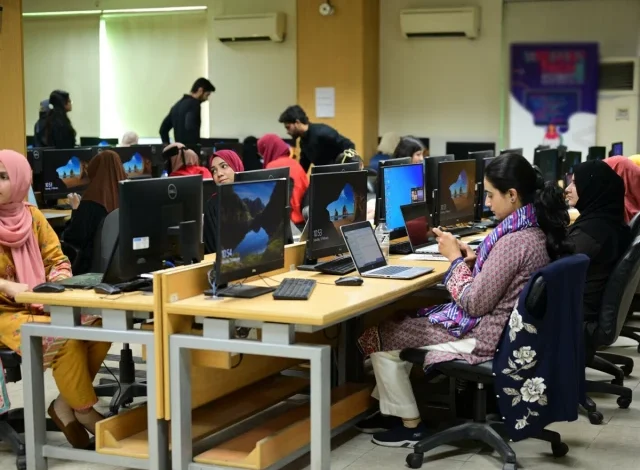
Pakistan has seen an extraordinary rise in female university enrollment over the past two decades. In many institutions, women now make up the majority of the classroom. Yet despite this impressive educational progress, only a small number continue their journey into the workforce. For thousands of women, professional life ends before it even starts. The transition from being a student to becoming an employee is often blocked by family expectations, cultural pressure, mobility restrictions, and workplace bias. Their potential remains unused not because of lack of talent, but because society struggles to accept women as full participants in the professional world.
The struggle begins long before a woman applies for her first job. Girls are encouraged to study, score well, and earn degrees, but ambition beyond that often comes with judgment. Many families celebrate academic success but do not extend the same support when daughters want to pursue careers. The message is subtle but powerful: good grades are acceptable, but independence is not. This emotional contradiction forces young women to choose between personal goals and social acceptance. Guilt, conflict, and self-doubt shape their ambitions, often shrinking them over time.
In urban areas, where education is more accessible, the pressure takes a new form. As soon as a woman completes her degree, the conversation quickly shifts to marriage. The warning about the “biological clock” becomes constant. Families fear that if a woman focuses too much on her career, marriage prospects might become limited. In many homes, permission to work is tied directly to marital status, some are told to get engaged first, others must wait until after marriage to seek employment. This gradually shifts decision-making power from parents to husbands, keeping women dependent even when they are educated and capable.
The words of gender activist Nighat Said Khan capture the contradiction clearly: educating women has not yet been translated into empowering them. Society still frames women’s education as preparation for being better wives and mothers, not as a path to independence or leadership. This mindset continues to hold back countless women who have the skills but not the freedom to use them.
Rural women face even tougher challenges. While urban women battle workplace discrimination and societal expectations, rural women struggle with access to basic opportunities. Transport, safety concerns, and restrictive traditions make employment nearly impossible. When rural women move to cities in search of better prospects, they face pressure from both ends: adjusting to a new environment while still carrying the weight of family expectations. Their struggle is not just professional, it is emotional and cultural.
Even when women manage to secure jobs, workplace culture often becomes another barrier. Many organizations in Pakistan are still not designed to support women’s needs. Harassment, unequal pay, lack of childcare, and rigid working hours push many women to quit early. Without psychological safety or real growth opportunities, even the most committed professionals find it hard to stay. Each woman who leaves the workforce represents not just a personal setback but also a national loss. Pakistan cannot progress when half of its educated population remains underutilized.
Real change requires a shift on multiple levels. Families must recognize that a woman’s independence strengthens the household, not threatens it. Educational institutions need to guide young women toward careers with confidence, breaking the cycle of self-doubt. Employers must create work environments that are inclusive, flexible, and safe places where women can build long-term careers instead of temporary jobs. But most importantly, women must be allowed to define success on their own terms. Pursuing a career is not a rejection of culture; it is a contribution to society and the economy.
The story of Pakistan’s educated women is one of massive potential limited by social expectations. Women are not missing from the workforce because they lack ambition, they are missing because society still struggles to let them use it. Unlocking this potential is not just a women’s issue; it is a national priority that will determine Pakistan’s future.