The Silent Wounds of Women: Breaking Patriarchy’s Chains in Pakistan
Beyond bruises and scars, invisible violence thrives in silence. True change lies in breaking patriarchal norms and empowering women to own their voice.

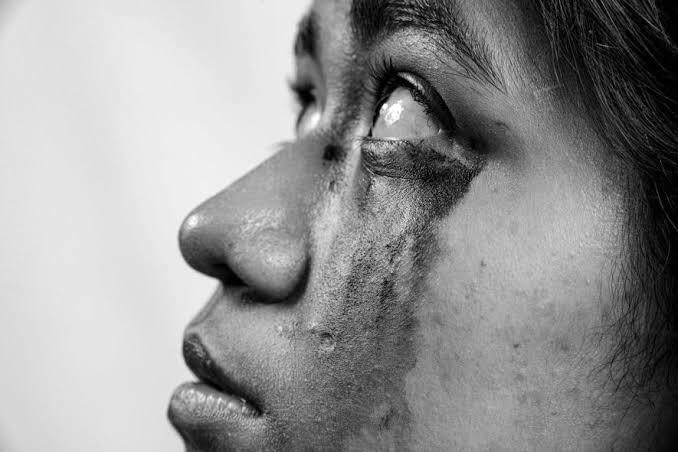
“What would happen if one woman told the truth about her life? The world would split open.” These words echo deeply in a society where women are often forced into silence. Despite centuries of struggle, the chains of gender inequality remain firmly locked around millions of women in Pakistan. Progress exists on paper, in scattered stories of resilience, yet the rising tide of violence tells a darker story. As of July 2025, in just ten days, at least seven brutal murders and assaults of women were reported across the country. Statistics reveal that one in four people suffers violence, and women remain the majority of victims.
We encourage our daughters to be bold, to chase dreams, to resist evil, but we forget to teach our sons to unlearn domination. In a patriarchal society, a woman with ambitions is not seen as an equal but as a threat. Speaking the truth often becomes an act of defiance, one that can lead to rejection, judgment, or even death. When Sana Yousaf said “No,” her refusal cost her life, reminding us that women’s empowerment is meaningless without also educating men to respect boundaries and choices.
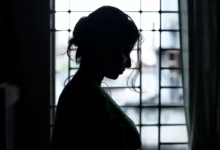
Violence against women is not only physical. The silent wounds are often more lethal than visible bruises. Emotional violence thrives in manipulation, neglect, and the silencing of women’s voices within their homes and communities. These wounds hide in belittling words, stolen freedoms, and opportunities given to brothers but denied to sisters under the same roof. Today, a woman may escape the blow of a hand yet still find herself trapped in a cage built of fear and control. These invisible scars are passed down through generations, normalizing inequality and silencing dreams.
Religion in its true essence emphasizes equality, dignity, and compassion. Yet in Pakistan, sacred texts are often misinterpreted and selectively used—mainly by men—to justify control and oppression. This distortion not only strips women of their rightful status but also feeds the cycle of inequality. The wounds inflicted by such manipulation are unseen, but they suffocate women’s spirit just as surely as physical harm.
Economic inequality remains one of the strongest chains binding women in silence. Financial dependence on men leaves countless women unable to escape abuse, not because they lack courage, but because they lack the means to survive independently. Generations of teaching girls only how to serve a household instead of equipping them with education and life skills have left many powerless to break free from cycles of violence. As the saying goes, “Educate a man and you educate an individual. Educate a woman and you educate a generation.” Education is the most powerful weapon against both oppression and dependence.
In many homes, daughters are taught patience, sacrifice, and obedience, while sons are raised to lead, command, and decide. Over time, these roles become deeply rooted, and even women begin to internalize and perpetuate misogyny, believing their worth lies only in silence and service. This is how patriarchy sustains itself: by disguising oppression as tradition and teaching women to carry it forward.
But patriarchy, though it changes faces, has not changed its heart. Real change begins when silence is broken. Awareness, empathy, and practice can dismantle these structures when society collectively values women’s voices and choices. To silence a woman is to silence half of humanity’s wisdom, half its innovation, half its potential for progress. When a woman thrives, the entire world benefits.
Laws exist on paper, but without enforcement and accountability, they remain powerless against entrenched patriarchal norms. True progress is not measured by slogans or reforms alone, but by the lived reality of women who can walk freely, speak without fear, and own their choices. As Mary Wollstonecraft once said, “I do not wish women to have power over men, but over themselves.” That is the freedom Pakistan’s women deserve, and until they have it, the nation will continue to silence half its strength.