Rising Violence Against Mothers by Sons Highlights Hidden Domestic Abuse Crisis
New figures reveal more women are killed by their sons than by strangers, exposing the hidden and often unrecognised crisis of son-to-mother violence in the UK.

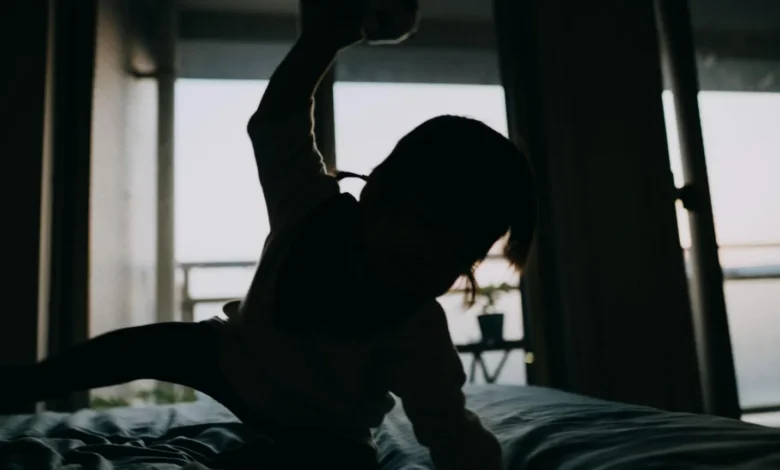
A new report has shed light on a harrowing reality: more women in the UK were killed by their sons than by strangers in 2022. According to the Femicide Census, of the 121 women killed by men, 12 were killed by their sons, compared to 11 by men they did not know. These figures underscore a troubling, often overlooked form of domestic abuse that continues to devastate families.
Dr. Karen Ingala Smith, Executive Director of Femicide Census, emphasized that the numbers only reveal “the tip of the iceberg.” For every woman who tragically loses her life at the hands of her son, countless others are enduring serious violence and abuse daily.
Stories from families highlight the depth of the crisis. One mother from the Midlands shared that her son first hit her when he was just 12 years old. Despite over 60 police callouts, the Crown Prosecution Service refused to prosecute, citing it was not “in the public interest.” The family installed CCTV cameras in their home for safety, only to face criticism for “using the police too much.” Eventually, after a violent assault that nearly turned fatal, the boy was placed in care.
The report found that women were most often killed by a partner (27 cases), spouse (24 cases), or former partners (11 cases combined). Yet violence from sons was the next most common category, with 12 cases recorded. Dr. Ingala Smith warned that many women do not even recognise this abuse as domestic violence, while support services often fail to provide the tailored assistance such families need.
Government officials have acknowledged the scale of the problem. Jess Phillips, Minister for Safeguarding and Violence Against Women and Girls, described the situation as a “national emergency.” She pledged that the government’s strategy aims to halve violence against women and girls over the next decade. This includes tackling child-to-parent abuse through early intervention and improved support systems for both victims and perpetrators.
However, gaps remain stark. Adoptive families in particular report being left without help as they navigate violent, often frightening situations. Mothers have described living in constant fear—sleeping with knives hidden under mattresses, switching off electricity at night, and desperately seeking respite care that never comes. One adoptive mother described the devastating decision to return her daughter to care, calling it the most painful experience of her life despite giving up “everything” for her child.
Experts argue that systemic failures are compounding the crisis. Under current UK law, children under 16 are not legally recognised as capable of committing domestic violence, leaving families with limited recourse. With no statutory duty for local authorities to provide support, services vary across regions, leaving many parents abandoned when they ask for help. Researchers like Durham University’s Nikki Rutter stress that authorities tend to respond only when families reach breaking point, rather than providing preventative interventions.
The emotional toll on parents is profound. Many describe feeling “broken,” trapped in unsafe homes, or forced to make heartbreaking choices. Yet, despite the fear and trauma, one common thread remains: the enduring love mothers feel for their children, even as they suffer abuse.
The Femicide Census report makes it clear: violence against women and girls cannot be reduced without acknowledging and addressing son-to-mother violence. For too long, these cases have been hidden, unrecognised, or dismissed. Real change requires not only better legal recognition but also consistent support for families before crises escalate into tragedy.
Until services adapt and interventions come earlier, families will continue to feel isolated and abandoned, left to face the impossible challenge of protecting themselves from the very children they love.