
Contraceptives Save Lives: Busting Myths and Empowering Women
UNFPA emphasizes that access to safe contraception protects women’s health, prevents unintended pregnancies, and boosts economic growth.

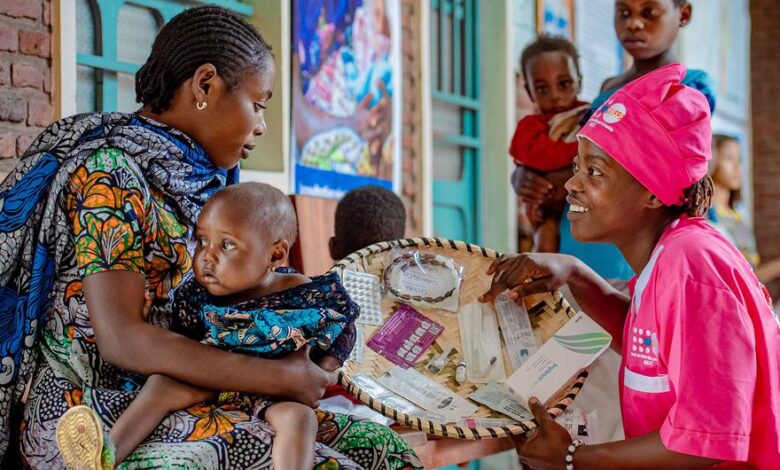
The increasing use of modern contraceptives is a major global health success, allowing millions of women and young people to take control of their reproductive choices and futures. However, according to the United Nations Population Fund (UNFPA), many still lack access to contraception, undermining their right to decide whether or not to have children.
The lack of contraceptives leads to a rise in unintended pregnancies and unsafe abortions, which result in higher maternal deaths. These consequences go beyond health — they also contribute to school dropouts, adolescent pregnancies, and a higher risk of gender-based violence.
“Contraceptives save lives,” said Diene Keita, Executive Director of UNFPA. She added that investing in contraception brings enormous benefits. For every $1 spent on meeting the global need for contraceptives, nearly $27 are gained in economic and social benefits. Women can continue their education, pursue careers, and contribute more actively to their communities.
Despite these clear advantages, several myths continue to surround contraception. UNFPA highlighted five common misconceptions that often discourage women from using it.
1. Contraception is unsafe
Modern contraceptives are among the most tested and widely prescribed medications. Health risks from unintended pregnancies are much higher than those linked to contraceptive use.
2. Using contraception causes abortion
Contraceptives do not cause abortions or miscarriages. They work by preventing ovulation or fertilization, stopping pregnancy before it begins.
3. Birth control damages fertility
Contraceptives do not lead to infertility. Some hormonal methods may temporarily delay ovulation after discontinuation, but fertility returns naturally over time.
4. Natural methods are safer than hormonal methods
Cycle tracking or fertility awareness methods are becoming popular, but they are less effective. UNFPA stresses that modern contraceptive methods are far more reliable in preventing pregnancy.
5. Only married women should use contraception
Every individual has the right to decide if and when to have children. Access to reproductive health services does not increase sexual activity — it empowers people to make informed, responsible choices.
UNFPA also reminds that no one should ever be pressured into unprotected sex. Reproductive coercion is a form of abuse, and access to contraception is a fundamental human right.
Contraceptives not only save lives but also create opportunities. They help women stay healthy, continue education, and build financially secure futures. As UNFPA emphasizes, investing in contraception means investing in equality, empowerment, and a better world for all women.