Role of Women in Climate Change and Green Economy

What is Green Economy
First, let us understand what a green economy is. A green economy is an economic system that balances economic growth with environmental protection. Its primary goal is to conserve natural resources, improve the environment, and reduce pollution to ensure a sustainable life for present and future generations.
The green economy has several key elements, including promoting renewable energy sources such as solar, wind, and hydropower, which can replace traditional fossil fuels. Then there’s the efficient use of resources, such as using water, land, and forests in ways that maximize benefits and minimize waste. However, if we look around, there is a significant waste of water, with excessive use, and deforestation is ongoing at a rapid pace.
Life without water is impossible, and if the temperature rises significantly and forests are depleted, it becomes difficult to breathe and live. Similarly, there’s a need for a low-carbon economy, which involves implementing new technologies and policies to reduce the emission of carbon dioxide and other greenhouse gases. An important element is environmental laws and policies—enforcing environmental protection laws strictly and encouraging businesses to operate according to environmental standards. Perhaps it’s time to provide training to businesses.
Sustainable agriculture and industrial production are also crucial elements, meaning adopting methods in agriculture and industry that increase production without harming the environment. The goal of the green economy is to organize our economic activities in a way that aligns with the ecosystem and preserves natural resources. By doing this, we can provide a safe and sustainable environment for future generations. However, if we exclude women from all these processes, a prosperous and green future for the country is not possible. You might be wondering how women can play their part—what can they do? It’s good to think, and think positively… Let me help a bit.
Women Role in Green Economy
Women can play an essential role in the green economy in various ways. Their impact is felt on multiple levels, including social, economic, and environmental aspects. Here are some key ways women can positively contribute to the green economy: Entrepreneurship is a great avenue, meaning women can start businesses in renewable energy, eco-friendly products, and green technology sectors.
Through entrepreneurship, they can contribute to economic growth and environmental improvement. Through education and awareness programs, women can be educated about environmental issues and become part of the solution. They can raise awareness in their communities and encourage people towards sustainable lifestyles.
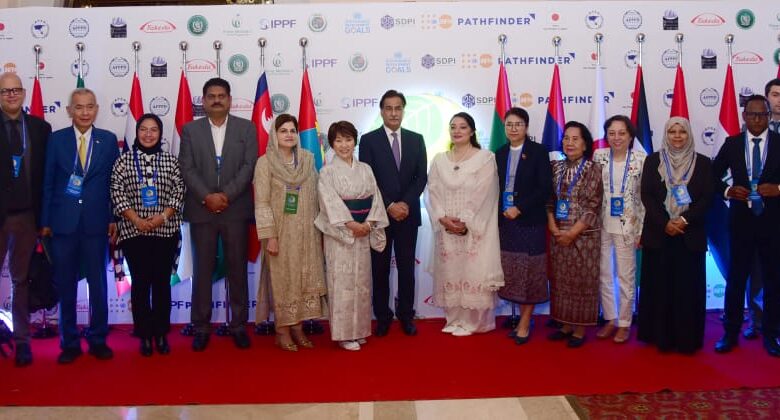
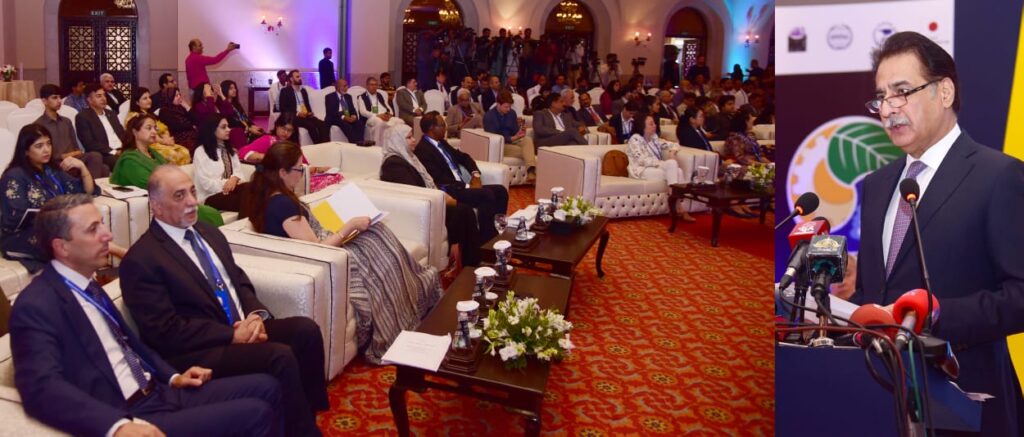
Women can participate in environmental policy-making processes in governmental and non-governmental organizations. Their involvement can lead to more comprehensive and effective policies. An example is seen in the unique two-day conference in Islamabad focused on empowering women and their role in the green economy. Women often make decisions about purchasing and resource use in households. They can promote environmentally friendly habits at home, such as reducing energy consumption, recycling, and water conservation.
In rural areas, women can play a crucial role in adopting environmentally safe agricultural practices, like organic farming and better water management techniques. Women can participate in eco-friendly projects at the local level, like tree planting campaigns, community gardens, and natural resource conservation. In any field of life, the role of women cannot be ignored, but as environmental challenges are rapidly increasing due to climate change, women face more issues.
It seems that neither governments nor organizations have realized how to mitigate these problems, which is why when large-scale flooding occurred in Pakistan in 2022, women faced the most difficulties. Pregnant women faced immense problems, hygiene issues were prevalent, and only after that did several institutions become active, recognizing that natural disasters, economic issues, and environmental challenges require consideration for women. There needs to be a policy that supports women who manage an entire household; they need empowerment in the green economy. Therefore, a large-scale two-day conference has been organized in Islamabad. Experts now agree that without gender equality and women’s empowerment, transitioning to a green economy is impossible.
The high-level meeting emphasized that without providing women with equal opportunities to participate in the green economy and reap its benefits, we cannot achieve more sustainable, inclusive, and effective environmental and economic outcomes. The conference is organized by the Ministry of Climate Change and the Asian Forum of Parliamentarians on Population and Development (AFPPD), with the cooperation of the National Disaster Management Authority, UNFPA, Pathfinder, International Planned Parenthood Federation (IPPF), and other international NGOs. It includes parliamentarians from over fifteen Asian countries, senior representatives of the diplomatic community, high-level political figures, government officials, members of international NGOs, international donor organizations, and academia.
As the guest of honor, Speaker of the National Assembly Sardar Ayaz Sadiq also stated that empowering women is timely and essential for achieving the goals of a green economy and for our collective and sustainable future. The parliament has played an unprecedented role in advancing women’s equality, reproductive health, and sustainable development to improve the overall quality of life for women living in the country’s underdeveloped areas.
Prime Minister’s Climate Change Coordinator Romina Khurshid Alam, who seems quite serious about environmental issues and is actively working to protect the ecosystem, said that the green economy is not merely an environmental project but a transformative approach to promoting sustainable economic growth while reducing environmental risks. She warned that this transformation would remain incomplete without addressing social inequalities, especially issues of gender equality. It is essential to recognize that women, while being vulnerable to environmental degradation, are powerful agents of change for sustainable development.
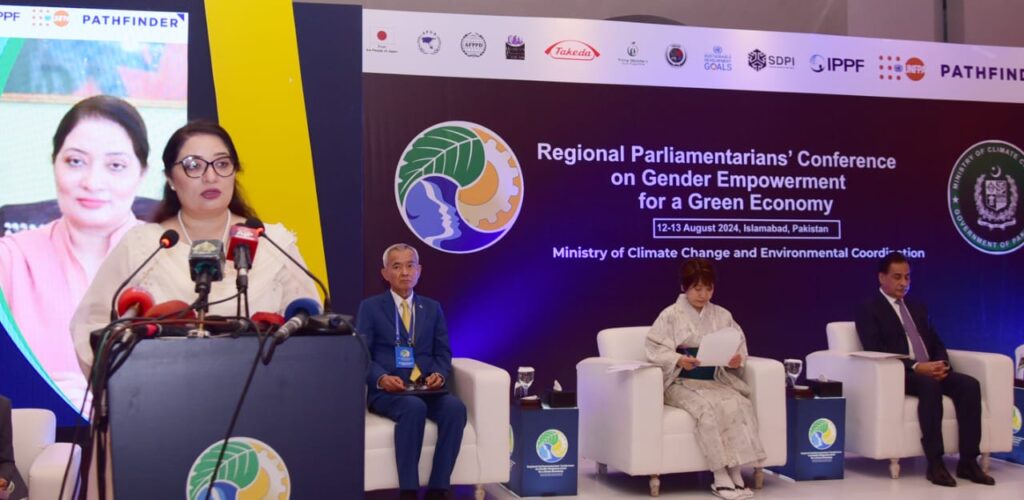
The Prime Minister’s environmental advisor emphasized that gender equality is not only about human rights but also a pillar of sustainable development. When women have access to education, resources, and decision-making power, the benefits spread widely across society. Research consistently shows that when women are empowered, societies are stronger, economies are more stable, and the environment is better protected. She added that in Pakistan, we are working to ensure that our policies reflect this understanding, and we are committed to including women in all environmental policies and actions, recognizing that their leadership and participation are crucial to achieving our environmental goals.
Japan’s Minister of State for Education, Culture, Sports, Science, and Technology, Toshiko Abe, said that Japan has increasingly recognized the importance of empowering women in advancing the green economy. Although the country has faced challenges in gender equality, significant steps are being taken to include women’s participation in environmental and economic policies. The Japanese Minister of State further stated that Japan’s “Womenomics” initiative aimed to increase women’s participation in the workforce for economic growth. While this initiative primarily focused on economic empowerment, its principles are being extended to the green economy, promoting women’s involvement in renewable energy and sustainable technology sectors.\
UNFPA Pakistan’s Deputy Representative Latika Maskey Pradhan noted that despite progress in implementing the ICPD Program of Action, women and girls face discrimination, violence, and limited opportunities in various aspects, particularly in education, employment, and decision-making processes where they are not recognized.
Pathfinder International’s Chief Executive Officer, Dr. Tabinda Sarosh, said that the two-day regional conference will effectively advance the inclusion of women in the green economy agenda through policy-making and the implementation of relevant laws for social and economic empowerment of women. It is essential to recognize that women, girls, and vulnerable communities are on the front lines of fighting poverty, lack of education and health services, and the impacts of environmental crises. Therefore, it is crucial to emphasize the need for gender equality and women’s empowerment in environmental and climate change policies, urging parliamentarians from various Asian countries to use their political will and wisdom to advance policies and implement relevant laws for gender equality and empowerment, providing them with the necessary education, health, employment, and skill development opportunities.
The way women are being discussed in this conference gives hope that women will not be deprived of their rights. The gathering of most countries worldwide to highlight and discuss these issues reflects that women’s capabilities need to be harnessed for national development. They need to be provided with a platform to freely and actively play their role. Women’s inclusion can strengthen and sustain the green economy because their diverse experiences and perspectives can bring new dimensions to solving social and economic issues. Their active participation is a solid step toward environmental protection, which can improve the environment and enable social and economic development. Remember them in your prayers and encourage women to actively participate in the green economy.