Pakistan’s Female Workforce Stagnates Despite Gains in Education
Once promising trends in women’s economic participation stall, revealing deep-rooted structural and social barriers

The image of modernity around the world often centers on the two-income household—typically a man and a woman sharing financial and caregiving roles. In Pakistan, the two-income model exists too, but with a different configuration: more commonly, it’s two male earners, such as a father and son, brothers, or male cousins. While households with both a man and a woman earning do exist, they remain the exception rather than the norm.
Back in 2012, Pakistan appeared to be on the verge of a quiet revolution. The female labour force participation rate had doubled in the first decade of the century. That growth, paired with rising female literacy and education rates, gave hope that women would become a stronger economic force within households—and society at large. Optimism was high that Pakistan was beginning to align, at least in structure, with global patterns of gender-inclusive economic growth.
But that transformation never materialized. According to the Pakistan Bureau of Statistics’ Labour Force Survey, the female labour force participation rate in 2021 stood at just 21.3%, down from a peak of 24.4% in 2011. This means that over a decade, rather than accelerating, women’s economic inclusion has plateaued—and even slightly regressed. Despite more women earning degrees, learning new skills, and becoming literate, they are not transitioning into formal or informal work at the rate that earlier trends had suggested.
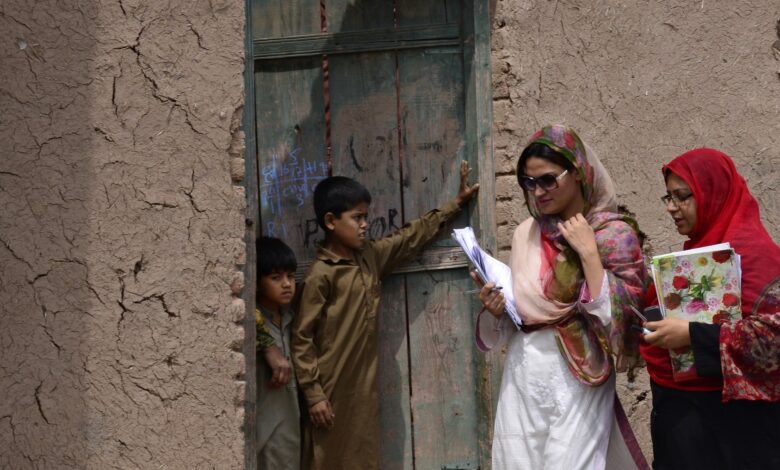
This disconnect raises serious questions about the deeper barriers women face—not only in the labour market but also within families, communities, and public institutions. Cultural norms around mobility, family honour, and gender roles still limit many women’s ability to work, particularly outside the home. Workplace environments often lack basic accommodations such as childcare or transport facilities, making it difficult for women to sustain jobs even when they want them.
Moreover, the informal economy—where many women find opportunities—is rarely counted or protected. Home-based workers, domestic helpers, and agricultural contributors frequently go unrecognized in national labour surveys, making the full picture of female economic participation harder to capture and even harder to support with policy.
In essence, while Pakistan has seen undeniable progress in female education, that progress hasn’t translated into economic power. The promise of a modern, inclusive economy remains unrealized. Without targeted reforms in labour policy, workplace equity, and cultural mindset shifts, Pakistan risks wasting the potential of half its population—holding back not just women, but the country’s broader development.