Tea App Hacked, 72,000 Women’s Photos and IDs Allegedly Leaked
Viral app designed for women’s safety suffers massive data breach amid growing user concerns and online backlash

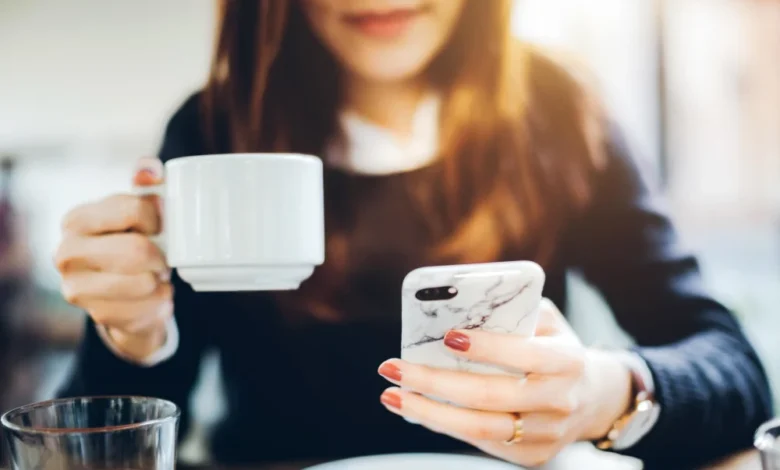
The Tea app—once hailed as a safe space for women to share warnings about men—has suffered a major data breach, exposing thousands of users’ sensitive information. The platform, which went viral this week and topped Apple’s free app chart, confirmed that more than 72,000 images were accessed by hackers. These include 13,000 verification selfies and government-issued IDs, originally collected to verify user gender during sign-up. The breach comes at a time when the app is experiencing explosive growth, with over 2 million sign-ups reported in the past few days.
Tea’s premise was simple but powerful: give women a discreet, anonymous platform to flag men as “red” or “green” based on their experiences. The app blocked screenshots and promised to delete verification photos after use. But the recent hack has raised questions about the app’s true security and whether it lived up to its privacy claims. A company spokesperson said the compromised data dates back over two years and was stored to comply with law enforcement requirements related to cyberbullying prevention. Still, the sheer scale of the leak has alarmed users and reignited fears about digital safety.
The leak appears to have surfaced on 4Chan, a forum notorious for coordinating cyberattacks and online harassment. A thread targeting the Tea app emerged Thursday night, calling for a “hack and leak” campaign. By Friday morning, users on the site had allegedly shared a downloadable database of the stolen content, which included sensitive ID photos. Even more troubling, someone created a Google Map showing geolocation points of impacted users. While the map doesn’t contain names or addresses, it adds another layer of violation to an already devastating breach.
Sean Cook, the app’s creator, launched Tea after witnessing his mother fall victim to online dating scams. His vision was to build a platform where women could protect one another by sharing crucial information—like whether someone had a criminal record or had previously catfished others. For a time, the idea seemed to resonate deeply, especially among women navigating online dating. Tea even pledged 10% of its profits to the National Domestic Violence Hotline, a partnership confirmed by the organization.
But the hack now threatens the very trust the app was built on. Many women on Tea’s Instagram page are voicing concern, especially those still stuck on the app’s waitlist. Others are questioning if their verification data was truly deleted as promised. Despite the company’s assurance that it is working “around the clock” with cybersecurity experts to contain the breach, many users are feeling betrayed.
Beyond data loss, the backlash is spreading across social media. Critics of the app—especially some men—have accused Tea of promoting doxxing or cyberbullying. In response, some have proposed launching male-focused alternatives. One such attempt, an app called Teaborn, was short-lived. After users started posting revenge porn, its creator faced immediate backlash, and the app was swiftly removed from app stores.
As of now, NBC News has not confirmed the authenticity of the leaked photos or identified victims. But the threat to user privacy is real—and growing. In a digital age where anonymity, safety, and accountability often collide, Tea’s rise and sudden crisis underline just how fragile trust in tech platforms can be.
The company has not yet announced how it plans to notify affected users or what long-term steps will be taken to rebuild user confidence. For many, the damage has already been done.
Ask ChatGPT