Almaty Call to Action Champions Women in Tourism
Global tourism leaders unite in Kazakhstan to drive equality, opportunity, and empowerment for women across the tourism industry.

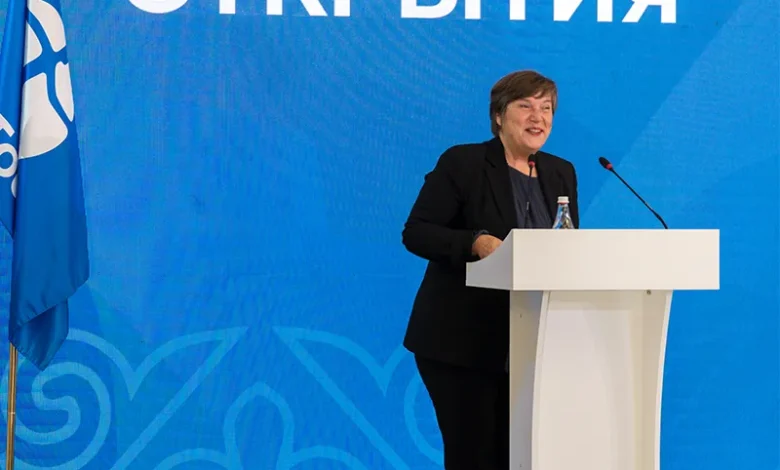
The “Almaty Call to Action” emerged from the First Regional Conference on the Empowerment of Women in Tourism in Europe, held in Almaty, Kazakhstan, from October 22 to 23. This landmark declaration aims to accelerate gender equality and women’s empowerment across the tourism industry, aligning closely with the United Nations 2030 Agenda for Sustainable Development.
UN Tourism Executive Director Zoritsa Urosevic emphasized that tourism remains one of the world’s most vital economic sectors, offering vast potential for women’s employment and growth. However, she noted that persistent inequalities continue to limit progress. “The Almaty Call to Action is a clear signal of where and how to do more and do better,” she said, urging governments and organizations to ensure that tourism empowers women and girls at every level.
Diyar Askarov, Director of the Almaty Tourism Bureau, highlighted the long-term vision behind the initiative. He explained that the conference forms part of a broader strategy to bring real change through training programs, mentorship, video campaigns, and inclusive participation. “Our goal is for this conference to mark the beginning of systemic change — more opportunities for women, more equality, and more professional growth,” he stated.
The Call to Action identified six major areas for advancing women’s empowerment in tourism: employment, entrepreneurship, leadership, education, community engagement, and data measurement. These priorities are designed to address both the visible and structural barriers that continue to limit women’s advancement in the sector.
In employment, the focus is on closing the gender pay gap, promoting women in underrepresented technical and transport roles, and establishing clear policies to prevent workplace harassment. Tourism businesses are also encouraged to track and report progress toward gender equality.
For entrepreneurship, the Call urges greater access to financial resources, training, and markets for women-owned tourism businesses. By formalizing women’s enterprises and ensuring inclusion in digital platforms, policymakers aim to expand women’s economic independence and visibility.
Leadership and decision-making remain another key pillar, calling for mentorship networks, gender-sensitive policies, and women’s participation in shaping tourism governance. Integrating gender perspectives into all stages of policymaking was emphasized as essential to achieving lasting equality.
Education and training were recognized as critical tools for change. Expanding women’s access to both basic and technical education, including STEM fields, will help them enter higher-paying and more technical tourism roles. Continuous learning and gender-equality programs will ensure women can progress to leadership positions.
At the community level, the Call encourages promoting work-life balance, sharing domestic responsibilities, and creating women’s tourism associations to sustain grassroots empowerment efforts. Civil society’s role in advancing national commitments to gender equality is also reinforced.
Finally, the Call stresses the importance of measurement and data. Governments and organizations are urged to collect and share sex-disaggregated tourism data to track progress, in alignment with UN Tourism’s statistical frameworks.
The Almaty Call to Action reflects a shared vision for a more inclusive tourism industry — one that recognizes women not just as participants but as leaders, innovators, and changemakers. It represents a promise of collaboration, equality, and collective progress to ensure that the global tourism sector truly works for everyone.