10 Hardest Countries to Be a Woman Today
Despite global advocacy, millions of women still face violence, discrimination, and systemic inequality in 2025. Here are the countries where gender rights remain dangerously out of reach.

In 2025, gender equality remains a distant goal in many parts of the world. While progress has been made in certain regions, millions of women continue to face legal, social, and economic barriers that keep them from living with freedom, dignity, and opportunity. Based on the latest data from the UN Gender Development Index (GDI), Women, Peace, and Security Index (WPS), and World Economic Forum’s 2024 Global Gender Gap Report, these are the 10 hardest countries to be a woman today:
1. Afghanistan
Ranked last on the WPS Index and second-lowest on the GDI, Afghanistan in 2025 continues to strip women of basic rights. Girls are banned from secondary and higher education, and women are restricted from most jobs. Gender-based violence is widespread, and women-headed households have lost up to 40% of their income since the Taliban’s return to power.
2. Yemen
Yemen remains the worst-performing country on the GDI. Ongoing conflict, child marriage, lack of legal protection, and limited access to education make it one of the most hostile environments for women. Only 0.3% of parliamentary seats are held by women.
3. Pakistan
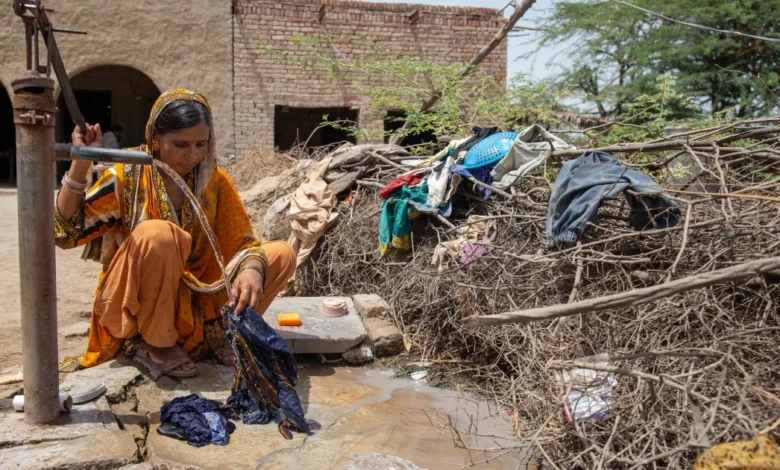
Despite a growing awareness around women’s issues, Pakistan still ranks 161 out of 162 on the Gender Gap Index. Women hold less than 5% of leadership roles, and gender-based violence and honor killings persist. Climate change and poverty disproportionately affect women, especially in rural areas.
4. Democratic Republic of the Congo (DRC)
Gender-based violence continues at alarming rates, especially in conflict zones. With over one-third of women reporting intimate partner violence, limited access to justice and education deepens the cycle of poverty and fear.
5. Somalia
With 99% of women undergoing female genital mutilation, Somalia’s record on women’s rights is among the worst. Early marriage, sexual violence, and political underrepresentation keep Somali women excluded from decisions that impact their lives.
6. Syria
After more than a decade of war, 100% of Syrian women now live within 50 km of a conflict zone. Gender-based violence and displacement are rampant, while employment and education opportunities for women remain extremely limited.
7. Iraq
Despite small wins in women’s political representation, 45% of Iraqi women experience domestic violence. Many women are burdened with unpaid domestic work and face barriers to employment and education.
8. Niger
With over 75% of women married before 18, Niger ranks near the bottom of all gender indexes. Access to healthcare, education, and financial services remains out of reach for most women and girls.
9. Central African Republic (CAR)
In 2024 alone, over 11,000 cases of gender-based violence were reported. Women have limited access to political participation, protection, or economic inclusion in one of the most unstable nations.
10. South Sudan
Conflict continues to shape women’s lives. With one in four women reporting recent partner violence and over 50% married before 18, South Sudan lacks critical legal protections and support systems.