Russia’s Recognition of Taliban Sparks Outrage from Afghan Women’s Rights Activists
Afghan women condemn Russia's recognition of the Taliban, calling it support for a regime rooted in gender-based oppression and exclusion.

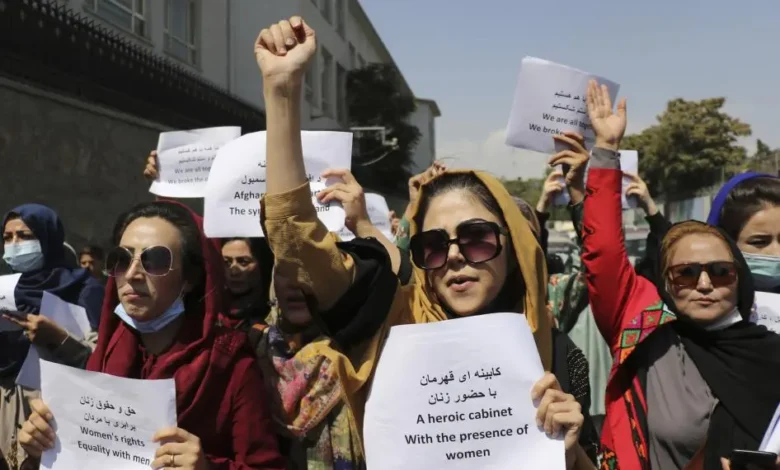
In a bold and unified response, the Afghan Women’s Political Participation Network has strongly condemned Russia’s official recognition of the Taliban government, labeling the move as “legitimizing a misogynistic authoritarian regime.” The network, which includes women’s rights defenders and activists formed after the Taliban’s return in 2021, released a statement calling the decision an open endorsement of oppression, discrimination, and systematic exclusion of women.
The group emphasized that Russia’s action not only disregards the suffering of Afghan women under Taliban rule but also undermines the broader struggle for human rights in Afghanistan. Quoting the statement published via NUJINHA Women’s News Agency, the network said the decision reflects continuity in destructive policies—drawing a direct comparison between the former Soviet Union’s military intervention in Afghanistan and today’s political maneuvering through diplomatic recognition.
“This is not diplomacy. This is complicity in gender apartheid,” the statement read.
Russia’s decision came after the Russian Foreign Ministry announced on July 3 that it had accepted the credentials of the Taliban’s appointed ambassador to Moscow, effectively making Russia the first permanent member of the United Nations Security Council to grant such recognition.
Internationally, the move has stirred both criticism and support. While China praised Russia’s engagement as a step toward “broader regional involvement,” rights groups and democratic nations have largely remained firm in their refusal to recognize the Taliban due to their ongoing repression of women.
Since seizing power in August 2021, the Taliban has imposed draconian restrictions on Afghan women, banning them from secondary and higher education, barring them from most jobs, and restricting their freedom of movement. Women are now largely excluded from public life, including politics, and face punitive control and systemic erasure.
The Afghan Women’s Political Participation Network fears that diplomatic moves like Russia’s may set a dangerous precedent, emboldening the Taliban to further solidify its repressive rule without accountability. Activists warn that such recognition provides legitimacy to a regime that systematically violates international human rights standards and silences half of its population.
“The Taliban have turned Afghanistan into a prison for women. By recognizing this regime, Russia is helping lock the doors,” said one member of the network.
Despite repression, Afghan women have remained resilient, continuing to protest, organize, and raise their voices through platforms like this network. They call upon the international community to resist all forms of normalization with the Taliban until meaningful steps are taken to restore women’s rights and inclusive governance.
The network urged the United Nations and democratic governments to issue strong diplomatic responses and to stand in solidarity with Afghan women who continue to fight for their rights under one of the world’s most oppressive regimes.