World Contraception Day 2025 Observed in Pakistan | Leaders Reaffirm Reproductive Health Rights
Pakistan highlights “Family Planning is Possible,” pledging equal access, empowerment, and sustainable development.

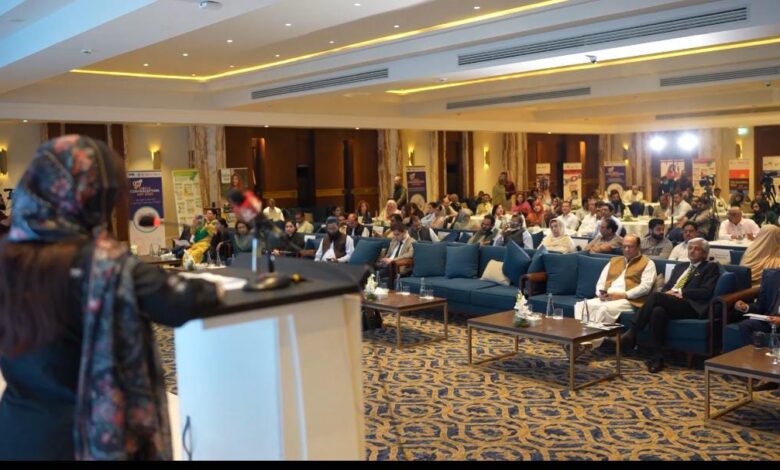
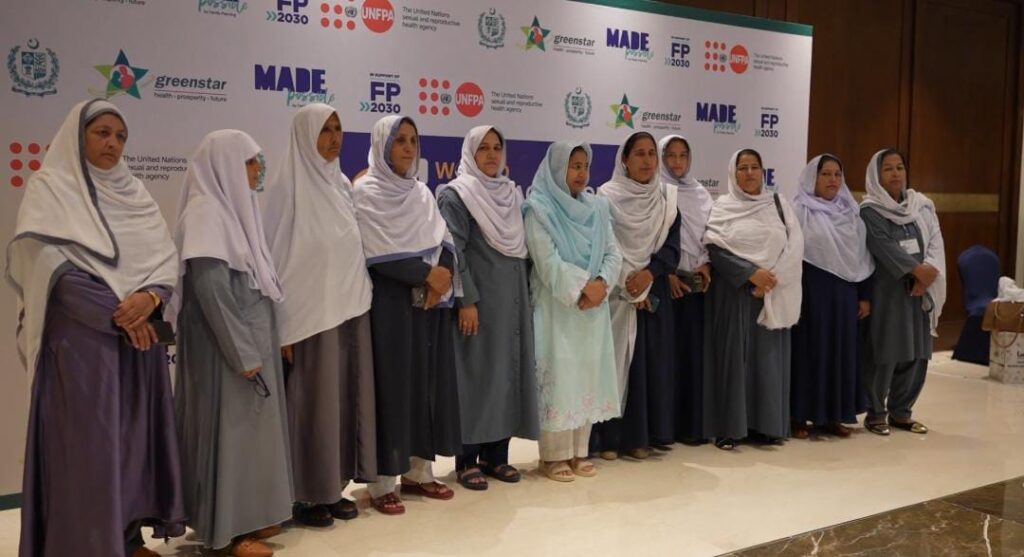
On the occasion of World Contraception Day in Pakistan, the global message “Family Planning is Possible” was highlighted. The campaign reflects the countless opportunities, a brighter future, and stronger families that can be achieved through family planning. The Ministry of National Health Services, Regulations and Coordination, in collaboration with FP2030, UNFPA, Greenstar, and national partners, organized the day under the theme Plan It. Adopt: Family Planning is Everyone’s Right. At the high-level event, government representatives, parliamentarians, youth leaders, health experts, and development partners participated, where Pakistan reaffirmed its commitment to ensuring equal access for all to contraception and family planning services.
In her address, the Director General of the Population Program Wing at the Ministry of National Health Services emphasized that family planning and reproductive health rights are fundamental to advancing public health and sustainable development. She highlighted that better health, quality education, and stronger economies are only possible when individuals have the right to make informed decisions about their reproductive lives — and this is made possible through family planning.
Representing FP2030, the Regional Lead appreciated Pakistan’s progress in expanding access to contraceptive services and stressed the urgent need for further action to eliminate inequalities and ensure inclusivity. She underscored that family planning is not merely a health intervention but also essential for empowering women and strengthening family systems.
In his address, the Federal Secretary of the Ministry of National Health Services, Regulations and Coordination declared contraceptive commodities and services a fundamental human right and reaffirmed the government’s commitment to ensuring family planning choices and safeguarding the dignity of all.
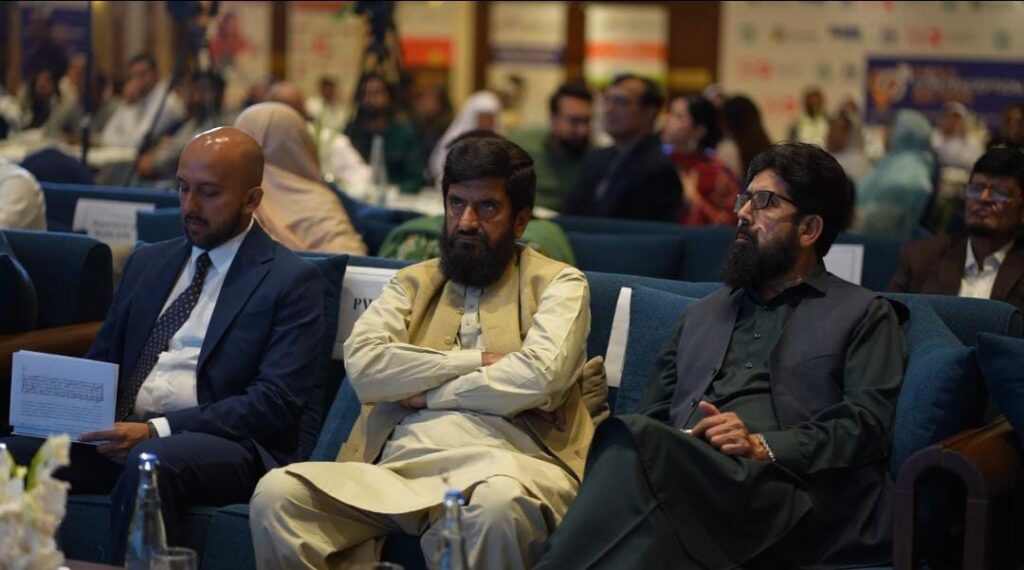
A panel discussion, chaired by the CEO of Greenstar, featured distinguished speakers including the UNFPA Country Representative, a Member of Parliament, the Vice Chancellor of the Health Services Academy, and senior government officials. The discussion highlighted the challenges and opportunities of strengthening family planning through evidence, equity, and innovation. Speakers emphasized the need for harmonized policies, investment in the health system, and the indispensable role of youth and educational institutions in finding long-term solutions.
In the global perspective presented by FP2030, lessons learned from international best practices were highlighted, emphasizing the need to develop policies aligned with modern requirements to ensure easy access to contraceptive medicines and services — echoing the message that “Family Planning is Possible.” Investment in family planning and reproductive health is the key to ensuring education, employment, gender equality, and sustainable development.
In an interactive session led by a PRHPS expert, misconceptions surrounding contraception were discussed, providing participants with evidence-based information to effectively counter stigma and misinformation.
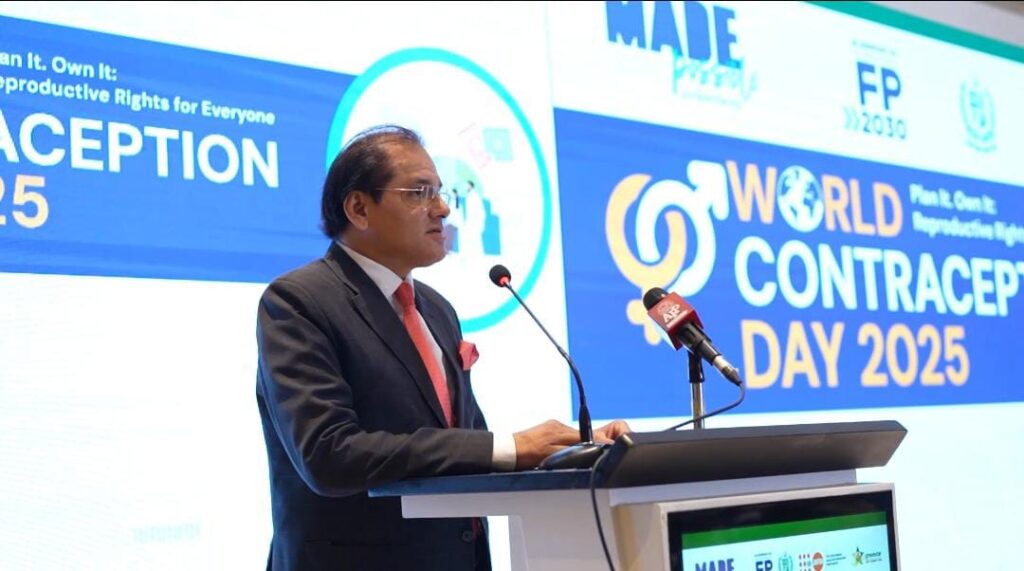
The ceremony concluded with a call to action and closing remarks by the Director General of the Population Program Wing, Ministry of National Health Services, Regulations and Coordination, who reiterated the government’s commitment to ensuring universal access to family planning services.
She stated that achieving reproductive health rights for all is not possible without collective responsibility, inter-institutional cooperation, and unwavering political commitment.
World Contraception Day 2025 was observed in Pakistan with the reaffirmation of the fact that family planning makes so much possible — healthy families, empowered women and youth, stronger family systems, and sustainable development for all.