Women and Anxiety Disorders: The Hidden Mental Health Crisis
Millions of women worldwide face anxiety, yet most go untreated despite effective solutions

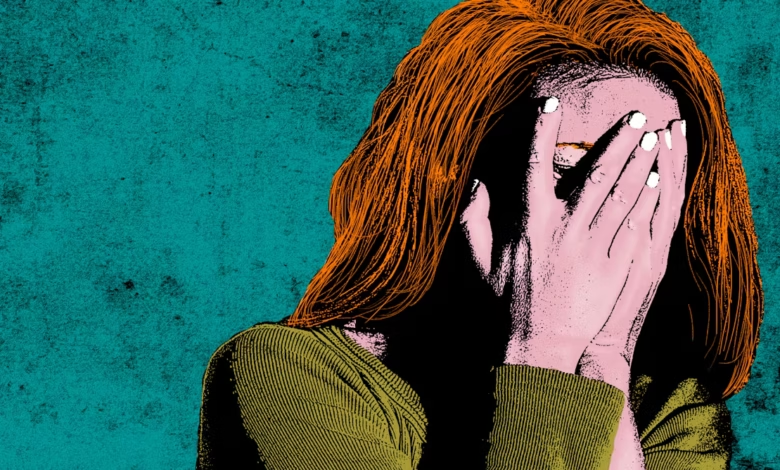
Anxiety disorders are the most common mental health conditions globally, affecting 359 million people in 2021, with women disproportionately impacted compared to men. Symptoms often begin in childhood or adolescence and, if untreated, can persist into adulthood, severely disrupting work, family, and social life. Despite the availability of highly effective treatments, only one in four women with anxiety disorders receives the help they need, largely due to stigma, lack of awareness, and limited access to trained professionals.
For women, anxiety is not just a personal struggle—it is deeply connected to gender-specific pressures. Societal expectations, unequal opportunities, harassment, workplace challenges, and experiences of abuse or trauma often contribute to higher rates of anxiety in women. Surveys show that up to 90% of women in some regions report harassment during daily commutes, underscoring the chronic stress many live with. This stress, compounded with balancing multiple roles at home and work, creates fertile ground for anxiety disorders to take hold.
Women with anxiety may experience persistent fear, restlessness, irritability, difficulty concentrating, nausea, sleep problems, or a constant sense of impending doom. In some cases, these symptoms escalate into panic attacks, social anxiety, or phobias that restrict daily activities. Left untreated, anxiety not only increases the risk of depression and substance misuse but also contributes to physical illnesses such as cardiovascular disease.
Effective treatments do exist. Psychological interventions like cognitive-behavioural therapy (CBT) and exposure therapy help women develop healthier coping strategies, confront fears, and reshape negative thinking patterns. Mindfulness, relaxation techniques, and stress management programs also provide relief, while certain medications, such as SSRIs, may be prescribed under medical supervision. Importantly, early intervention—especially in girls and young women—can prevent symptoms from worsening over time.
Self-care also plays a powerful role in managing anxiety. Regular exercise, healthy eating, consistent sleep routines, mindfulness meditation, and avoiding substances like alcohol or drugs can reduce symptoms and strengthen resilience. For women juggling multiple responsibilities, prioritizing even small self-care practices can make a meaningful difference.
Addressing women’s anxiety on a larger scale requires community-level interventions too. School-based programs that build emotional resilience, workplace initiatives to reduce stress, and greater awareness campaigns targeting stigma are crucial. Equally vital is investment in accessible mental health services, particularly in regions where cultural barriers prevent women from seeking support.
Women carry the weight of society in many ways, yet their struggles with anxiety remain under-recognized. By normalizing conversations around women’s mental health, expanding access to treatment, and tackling the social conditions that fuel anxiety, real progress can be made. Anxiety may be common, but it does not have to define women’s lives—when given the tools, support, and space to heal, women can reclaim their well-being and thrive.