World Bank Predicts Stronger Growth for MENAAP but Warns of Untapped Potential in Women’s Workforce
World Bank forecasts 2.8% growth in 2025 for MENAAP, urging bold action to boost women’s participation and unlock massive economic potential.

The World Bank’s latest report on the Middle East, North Africa, Afghanistan, and Pakistan (MENAAP) presents a cautiously optimistic outlook for the region, projecting economic growth of 2.8 percent in 2025 and 3.3 percent in 2026. However, it also warns that persistent global uncertainty, shifting trade policies, and ongoing conflicts continue to pose major risks to sustained development.
According to the report, Gulf Cooperation Council (GCC) nations are expected to benefit the most from the gradual lifting of voluntary oil production cuts and continued growth in their non-oil industries. Non-oil sectors such as construction, tourism, and technology are helping GCC economies diversify and build resilience against global oil market fluctuations. Meanwhile, oil-importing countries in the region are projected to experience improved economic performance driven by rising private investment, strong consumer spending, and a rebound in agriculture and tourism.
However, not all economies in the MENAAP region are positioned for similar growth. Oil-exporting developing countries face potential slowdowns due to reduced oil production and persistent regional instability. The report warns that these nations could struggle with fiscal challenges if global energy demand weakens or conflicts continue to disrupt economic activity.
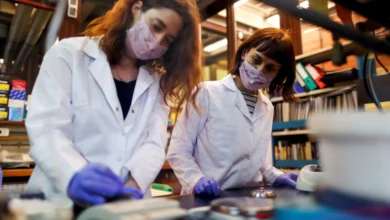
Titled Jobs and Women: Untapped Talent, Unrealized Growth, the World Bank’s report also highlights a crucial issue that continues to limit the region’s economic potential: the underrepresentation of women in the workforce. Despite significant advances in women’s education and skill development, their participation in the labor force remains the lowest in the world. Currently, only one in five women across MENAAP countries is employed or actively seeking work, representing a major missed opportunity for inclusive economic growth.
Ousmane Dione, the World Bank’s Vice President for the MENAAP region, urged regional governments to adopt bold, comprehensive measures to address this issue. “I urge bold action—not partial measures,” Dione stated. “To unlock the full potential of women in the region, we must tackle every barrier to their inclusion with comprehensive measures. A vibrant private sector that creates jobs and transforms aspirations is key to real progress.”
The report identifies multiple structural and social barriers that limit women’s economic participation. These include restrictive labor laws, social norms discouraging women from working, inadequate childcare options, limited access to finance, and insufficient workplace safety measures. It emphasizes that overcoming these obstacles will not only improve gender equality but also drive broader economic transformation across the region.
Roberta Gatti, Chief Economist for the MENAAP region, stressed the vast economic benefits that could come from greater gender inclusion. “Increasing female labor force participation can translate into immense economic gains,” Gatti noted. “Removing barriers that prevent women from accessing jobs could boost GDP per capita by 20 to 30 percent in economies like Egypt, Jordan, and Pakistan.”
The World Bank report argues that no other region in the world stands to gain as much from gender equality in the workforce as MENAAP. By enabling women to contribute fully to the economy, these countries could unlock billions in untapped potential and accelerate progress toward long-term sustainability.
The report concludes by calling on policymakers to support women-led organizations, promote equal access to education and training, and implement reforms that empower women entrepreneurs. A more inclusive labor market, it asserts, will be essential not only for achieving stronger economic growth but also for building more stable, prosperous societies across the region.