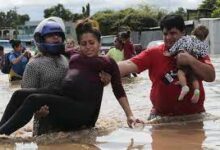

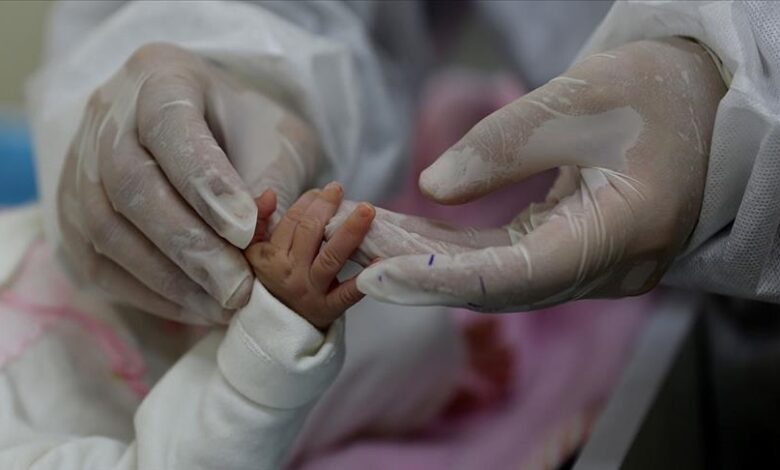
The evidence indicates that countries affected by humanitarian crises contribute disproportionately to global maternal and newborn mortality and morbidity. Current estimates suggest that progress towards achieving the Sustainable Development Goals (SDGs) targets for maternal and newborn health has been limited since 2015.
High Mortality Rates in Crisis-Affected Nations
According to recent estimates from the World Health Organisation and Save the Children, approximately 61% of maternal deaths worldwide took place in nations affected by humanitarian crises. Additionally, over 80% of nations with the highest newborn mortality rates have recently experienced a natural disaster, a conflict, or both. Global data tracking on stillbirths is mainly lacking; nevertheless, according to a 2020 report by the UN Inter-agency Group for Child Mortality, 84% of all stillbirths occur in low- and lower-middle-income countries. The majority of these nations have experienced natural disasters or armed conflicts that have resulted in humanitarian crises.
Barriers to Progress in Maternal and Newborn Health
The efforts to enhance maternal and newborn health (MNH) and meet global targets are severely hampered by emerging humanitarian circumstances, conflict, post-conflict, disease outbreaks, and disaster scenarios. Women and children make up more than 235 million (75%) of those in need of humanitarian aid worldwide, and the COVID-19 epidemic has exacerbated these issues. For instance, data indicates that during the first nine months of the pandemic, there was a marked rise in clinically significant cases of anxiety, depression, and intimate partner violence—all of which have troubling implications for perinatal health. According to UN projections, the COVID-19 pandemic raised the number of individuals in need of humanitarian aid by 40% from 2020.
Challenges in Providing Health Services
Health services are typically given in camp settings during humanitarian crises, and programme implementers have access to resources like the Minimum Initial Service Package (MISP) for Sexual and Reproductive Health in Crisis Situations and the Interagency Field Manual on Reproductive Health. However, these resources emphasize the acute stage of a response and do not always address the diverse cultural demands of target communities or their past unfavourable experiences with health care. Furthermore, refugee women and girls often live outside of camps and may go unnoticed in humanitarian responses. Estimates indicate that half of all refugees are women and girls and reside in cities rather than camps.
Research and Innovation in Conflict Settings
A 2021 systematic review on the provision of maternity and newborn health interventions in conflict settings found 115 papers but provided little information about coverage or efficacy. The majority of research focused on prenatal care, with relatively little on postnatal care and much less on infant care. Insecurity, lack of funding, and a shortage of qualified medical personnel were obstacles to the application of MNH interventions and services in humanitarian contexts. Conversely, multi-stakeholder cooperation, the introduction of new technology or system innovations, and staff training facilitated service provision.
Case Studies: Uganda and Bangladesh
Save the Children addresses the needs of women, girls, and newborns through health programming in refugee camps in Uganda, Bangladesh, and other contexts. In Uganda, well-organized camps for refugees were created in West Nile in 2017 following a wave of migrants from South Sudan. Uganda’s Comprehensive Refugee Response Framework includes emergency response, ongoing needs, integrated service delivery, support for the host community, and inclusion of refugees in government planning. By contrast, Bangladesh’s Cox’s Bazar district, home to the main camps for the Rohingya community, coordinates health services through 174 service delivery points with 34 other sexual and reproductive health (SRH) partners.
Disparities in Service Uptake
Health data indicates varying uptake of MNH services in Ugandan and Bangladeshi camps. In West Nile, the local host community has comparable rates of first antenatal care (ANC) visits (66%), facility deliveries (70%), and postnatal care attendance (92%). However, early data from Cox’s Bazar showed significantly lower rates among refugees compared to the host population. First prenatal care visit rates were 5.8% for Cox’s Bazar refugee patients compared to 82% for the host population, facility deliveries were 48% versus 49%, and postnatal care attendance was 33.8% versus 52%. Though service use has increased since, more research is needed to understand these variations. Indigenous women in low- and middle-income nations, such as Bangladesh, face major disparities in access to reproductive and maternal health services. Their demand for these services may be constrained due to perceiving them as “culturally unfriendly” and inflexible.
The Path Forward: Research and Collaboration
The Liverpool School of Tropical Medicine’s Emergency Obstetric and Quality of Care unit conducts implementation research to enhance the standard of care in resource-constrained environments, including humanitarian and conflict zones. Effective service delivery and universal health coverage are essential for reducing pregnancy- and childbirth-related mortality.
Conclusion
Accelerated action is needed to combat the COVID-19 pandemic’s effects and meet the SDG targets for MNH, particularly in humanitarian and crisis settings. Context-specific research is required to understand the factors leading to ineffective implementation of MNH services. Collaboration with target populations and settings to co-create culturally acceptable services is crucial for improving access to high-quality reproductive and maternal health services.