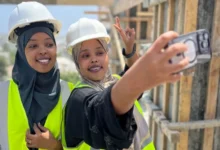
Women Leaders Unite for Peace and Recovery in Yemen
Female parliamentarians and rights advocates from the Gulf, Middle East, and Europe join forces to address Yemen’s humanitarian crisis and strengthen women’s role in peacebuilding.

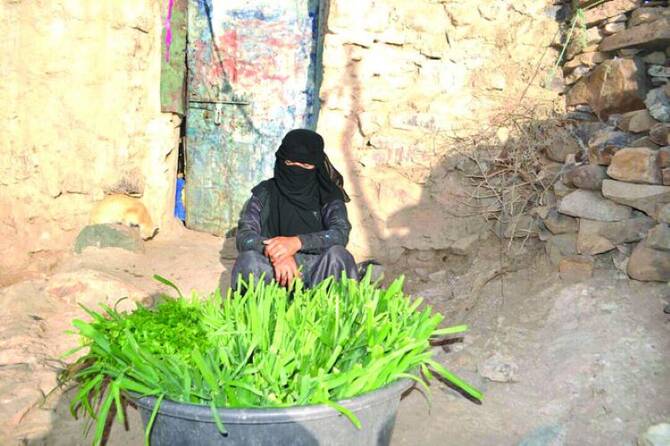
Women parliamentarians, diplomats, and rights advocates from the Gulf, Middle East, and Europe came together in an online forum to discuss Yemen’s ongoing conflict and the vital role of women in building peace and recovery. The virtual meeting, organized by Forward Thinking, a London-based organization dedicated to political dialogue and mediation, took place under the Women for a Sustainable Future network.
The session was held under the Chatham House Rule, allowing participants to speak freely about the humanitarian and political challenges facing Yemen. Discussions focused on the gendered impact of the war — particularly how women and girls have been disproportionately affected — and on strategies for involving female leaders in shaping inclusive peace and recovery processes.
Prominent Yemeni figures joined the dialogue, including Ousan Mohammed Saeed Ali, head of the Women’s Department in the Supreme Council of the Popular Resistance; Dr. Nabila Ghaleb, founder of the Fekrah Foundation for Media Rights for Women; and Areej Rashid Thabet Al-Nabhi, a rights activist supporting victims’ families. Their insights shed light on the realities faced by women in Yemen, who continue to endure poverty, displacement, and violence amid a prolonged conflict.
Dr. Huda Al-Helaissi, former member of Saudi Arabia’s Shoura Council, emphasized the importance of such forums in amplifying marginalized voices. She said the meeting helps bring “issues of importance to global attention” and provides a platform for women who “cannot reach the West” to share their struggles and aspirations.
The discussion also highlighted the staggering humanitarian toll of the war, with more than 18 million Yemenis now requiring assistance. Women and girls, in particular, face severe risks including hunger, lack of healthcare, and gender-based violence. Despite these hardships, female leaders in Yemen and across the region are pushing for inclusion in decision-making processes that can lead to sustainable peace.
The Women for a Sustainable Future network, launched in 2018, brings together female parliamentarians, policymakers, and advocates from across the Gulf-MENA region and Europe. Its members — representing countries such as Saudi Arabia, Oman, Egypt, Jordan, Sweden, and the UK — collaborate to address pressing issues like conflict recovery, climate change, economic inequality, and women’s empowerment.
Through its regular meetings, both virtual and in-person, the network encourages knowledge-sharing, dialogue, and policy development aimed at creating actionable solutions within national parliaments. It also provides a space for cross-regional partnerships, ensuring women have a central role in shaping sustainable development and peace strategies.
Forward Thinking, the convener of this initiative, continues to work closely with regional and international partners, including the King Salman Humanitarian Aid and Relief Center, the King Faisal Center for Research and Islamic Studies, the Gulf Cooperation Council, and the World Health Organization. Together, they aim to promote understanding, cooperation, and peace across the Middle East and beyond.
This latest forum underscores the growing recognition of women’s leadership as essential to peacebuilding. By connecting women leaders across regions, the initiative not only amplifies their voices but also strengthens collective efforts to bring hope, dignity, and stability to those affected by Yemen’s enduring conflict.