Malala Yousafzai Calls for Urgent Action on Girls’ Education in Conflict Zones
In an exclusive interview, Nobel laureate Malala urges global leaders to pair education with peace efforts and interfaith dialogue.

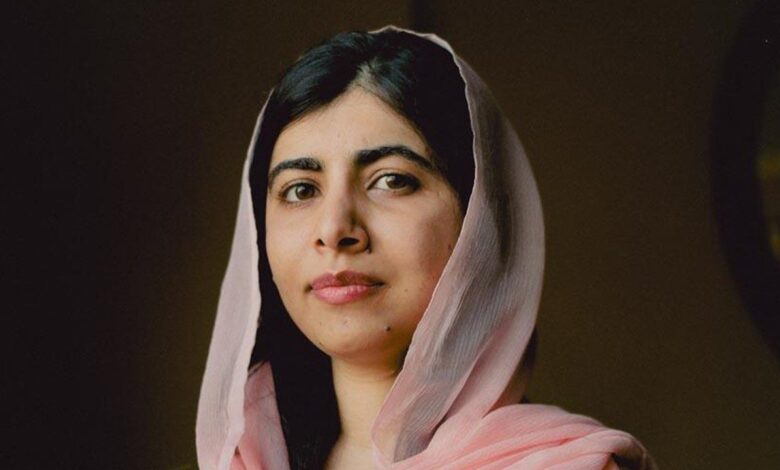
Malala Yousafzai, the 2014 Nobel Peace Prize laureate, has once again called on world leaders to prioritize girls’ education, particularly in war-torn countries, stressing that access to learning is both a human right and a pathway to peace. In an exclusive interview with Vatican Media, she reflected on her journey, the mission of the Malala Fund, and the urgent need for interreligious cooperation in advancing education.
At just 14, Malala survived a Taliban attack in Pakistan for speaking out in defense of girls’ education. Rather than silencing her, the assault only strengthened her resolve. Now 28, she continues to lead a global movement that began when she was only 11, blogging about the restrictions on girls in her native Swat Valley. In 2014, she became the youngest-ever Nobel Peace Prize winner and, alongside her father, Ziauddin Yousafzai, founded the Malala Fund, which has since invested in initiatives across multiple countries.
Reflecting on her journey, Malala admitted that her optimism has matured with experience. “When I began, I thought leaders’ promises would quickly turn into action,” she said. “Now I know progress takes time, creativity, resources, and patience. But despite the challenges, I remain committed. This is my life’s mission.” More than 122 million girls worldwide remain out of school, a figure that drives her advocacy.
Conflict zones remain a central concern. From Syria to Gaza, Ukraine to South Sudan, children’s futures are jeopardized by war. “How many children are falling asleep to the sound of gunshots right now? How many schools have been bombed this week?” Malala asked. She emphasized that while violence can feel overwhelming, solutions exist: funding education in emergencies, supporting local organizations, and ensuring access to mental health support. For children, she argued, being in school is not only about learning but also about security and hope.
Afghanistan remains one of her deepest concerns, where girls face a ban on education under Taliban rule. Malala described the situation as “gender apartheid,” noting that women are barred from schools, workplaces, and even public spaces. The Malala Fund has committed $3 million in new and extended grants to keep Afghan girls learning through home-based schools, online platforms, radio, and offline apps. She added that the fund also works with women leaders and human rights defenders to press for global action to end gender apartheid.
Malala reaffirmed her belief that education is key to achieving gender equality, fostering economic growth, and securing peace. “School is where children learn to think critically, make friends, and build compassion,” she said. “These skills are vital to tackling injustices and strengthening our shared humanity.”
She also highlighted grassroots changemakers who inspire her, including partners in Tanzania helping young mothers return to school. “Seeing their determination reminded me why this work matters so much,” she explained. These community-led efforts, she said, prove that change is not only possible but already underway.
The Nobel laureate also underlined the role of interreligious dialogue in promoting education. Sharing her own experiences at university, where friendships across faiths shaped her worldview, she said: “When people of different faiths come together, it helps us see our shared values. Education can bridge gaps and build empathy.”
With International Literacy Day approaching on September 8, Malala delivered a message of urgency and hope. “There are girls who study by candlelight or walk miles to school, defying those who tell them to stay home,” she said. “If they can risk everything to learn, we must all find the strength to raise our voices for them.” She called on global leaders to invest not just in promises but in long-term, sustainable solutions that ensure every child, especially every girl, has the chance to read, write, and thrive.