Kashmir Under Fire: India-Pakistan Tensions Surge After Deadly Attacks
A spike in drone strikes and deadly attacks in Kashmir have escalated India-Pakistan tensions, with New Delhi blaming Pakistan-backed groups while Islamabad calls for investigation.


India and Pakistan, long-time rivals over the disputed region of Kashmir, are experiencing one of their most volatile moments in recent history. The latest flashpoint came after a deadly drone attack in Pahalgam, Indian-administered Kashmir, which killed 26 people. An armed group called The Resistance Front (TRF) claimed responsibility, further igniting already fragile relations between the two nations.
The Rise of TRF
The TRF emerged in 2019 shortly after India revoked Article 370, stripping Jammu and Kashmir of its special status. The move allowed non-Kashmiris to apply for residency, which many locals viewed as an attempt to change the Muslim-majority region’s demographics. TRF quickly began targeting those it saw as outsiders and government collaborators.
Unlike older militant groups in Kashmir, TRF uses secular branding and digital platforms like Telegram to recruit and spread propaganda. Despite its new-age approach, Indian officials allege that TRF is simply a front for Lashkar-e-Taiba (LeT), a Pakistan-based group known for past deadly attacks like the 2008 Mumbai carnage.
Lashkar-e-Taiba and Pakistan’s Position
India has accused Pakistan of harboring LeT and providing logistical support to its operations. Muridke, a city in Pakistan’s Punjab province, was struck by Indian missiles on May 7, allegedly targeting LeT’s Markaz Taiba training camp and the offices of Jamat-ud-Dawa, which India claims is a LeT front.
Pakistan, on the other hand, strongly denies these allegations. It condemned the April attack in Kashmir and has called for an independent investigation. Pakistani authorities maintain that LeT has been banned and point to Hafiz Saeed’s 31-year sentence for terror financing as proof of their stance against militancy.
Other Active Groups in Focus
Apart from TRF and LeT, India also blames Jaish-e-Muhammad (JeM) and Hizbul Mujahideen (HuM) for ongoing unrest. JeM, led by Masood Azhar, was behind the 2019 Pulwama suicide bombing that killed 40 Indian soldiers. Indian airstrikes on Bahawalpur targeted what New Delhi says is JeM’s operational base.
Hizbul Mujahideen, considered the largest indigenous group in Kashmir, continues to call for the region’s accession to Pakistan. It gained major attention after the 2016 killing of commander Burhan Wani, which triggered mass protests.
The Road Ahead
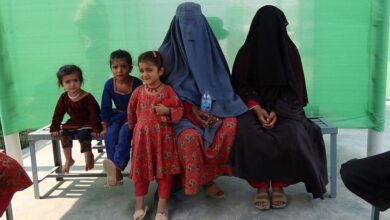
With rising casualties and drone warfare now in play, fears of a larger conflict loom. Civilians on both sides of the Line of Control are fleeing their homes amid nightly bombardments. While both countries possess nuclear arms, diplomatic engagement remains minimal.
The international community is urging restraint, but neither side seems willing to back down. For Kashmiris, caught in the middle of crossfire and geopolitics, peace remains a distant hope.