Why Pakistan Struggles to End Child Marriages
Despite laws and activism, Pakistan continues to see high rates of child marriage due to poverty, outdated traditions, weak enforcement, and limited education for girls.

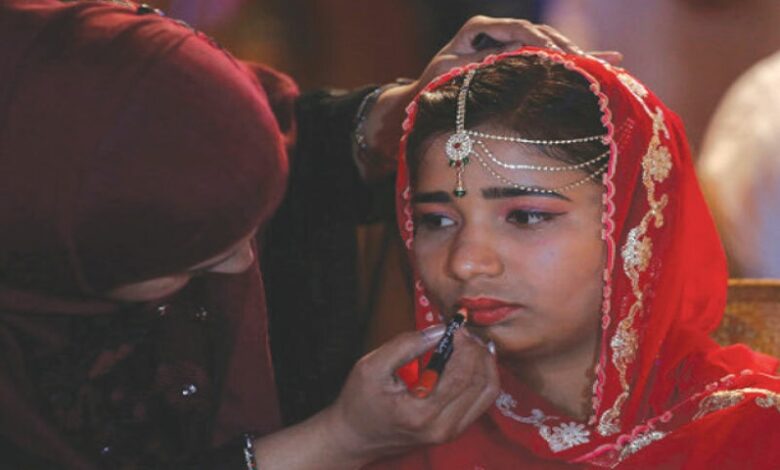
Child marriage remains a deep-rooted issue in Pakistan, affecting thousands of underage girls each year. Although the country has laws in place and activists working tirelessly to raise awareness, the practice persists—especially in rural and impoverished communities. Here’s why Pakistan finds it difficult to stop child marriages:
1. Weak Legal Enforcement
Pakistan has laws like the Child Marriage Restraint Act that set the legal marriage age at 16 for girls and 18 for boys (in most provinces), but enforcement is often weak. Police are either unaware, under pressure, or reluctant to act against families or religious clerics involved. In some areas, local traditions override the law.
2. Poverty and Economic Burden
For many families living in poverty, marrying off daughters early is seen as a financial relief. One less mouth to feed, one dowry settled, and the belief that a girl’s future is secure in marriage—these economic pressures drive early unions. Families often think they’re doing what’s best for the child.
3. Cultural and Religious Norms
In many conservative parts of the country, child marriage is deeply embedded in cultural and religious practices. Community elders and local clerics sometimes justify the practice using religious interpretations, making it harder to challenge or reform without backlash.
4. Lack of Education for Girls
Girls with access to education are far less likely to be married off young. Unfortunately, many rural areas lack basic schooling infrastructure, and girls are pulled out of school early due to family pressure, harassment, or the belief that education isn’t necessary for their role as future wives and mothers.
5. Social Pressure and Honor Culture
Fear of sexual harassment, societal gossip, or ‘dishonor’ to the family pushes parents to marry girls early. In some regions, a girl reaching puberty becomes a source of worry—marrying her quickly is seen as protecting the family’s reputation.
6. Gaps in National Policy
While Sindh has raised the legal age to 18 for girls, other provinces lag behind. There is no unified national law setting 18 as the legal marriage age for all, leading to confusion, loopholes, and uneven implementation.
The Way Forward
Ending child marriage in Pakistan requires a multi-pronged approach:
-
Nationwide legislation setting 18 as the legal age of marriage.
-
Stronger law enforcement and community monitoring.
-
Access to free, quality education for all girls.
-
Economic support programs for poor families.
-
Mass awareness campaigns to change mindsets and traditions.
Until these issues are addressed head-on, young girls will continue to be robbed of their childhoods, education, and basic rights—all in the name of tradition or survival.