Behind Barbed Gates: Afghan Women Living in Limbo
At Kabul’s largest women’s mental health centre, patients dream of freedom, but cultural restrictions and abandonment leave many trapped for life.

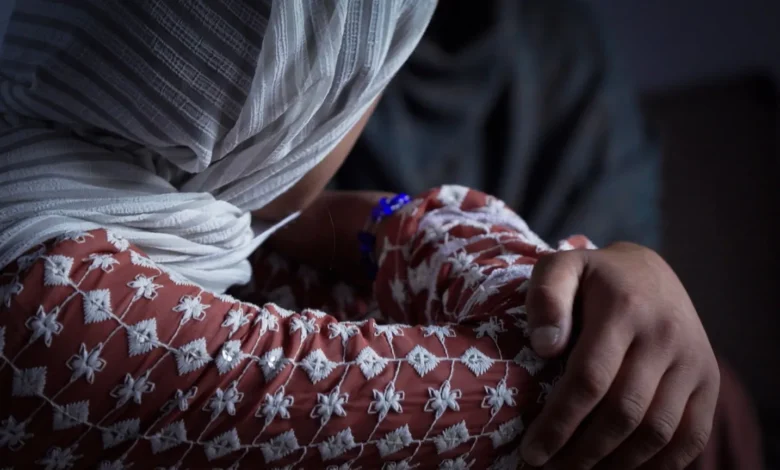
High on a hill in Kabul, behind barbed wire and steel gates, sits Qala, the women’s wing of a mental health facility run by the Afghan Red Crescent Society. Locals call it “the fortress,” and for the 104 women housed inside, it is both a place of refuge and a place of confinement. For some, Qala has become their only home, not because of treatment, but because the outside world refuses to take them back.
Mariam, believed to be in her mid-twenties, has spent nine years here. She was first admitted after fleeing an abusive family and a period of homelessness. She recalls her brothers beating her whenever she tried to visit neighbors and eventually forcing her out onto the streets. A concerned passerby brought her to the centre, where she has remained ever since. Despite her long stay, Mariam is cheerful, often seen singing and helping staff with chores. She is ready to leave but has nowhere to go. With no family willing to accept her and no possibility of independent living under Taliban restrictions, her only hope is marriage to someone who might give her a new start.
Habiba, 28, shares a similar story of abandonment. She was brought to the centre after her husband married again and forced her out of their home. Like Mariam, she is ready to leave, but her family will not take her back. Her three young sons now live with an uncle. At first, they visited her, but this year she has not seen them at all. With no phone access, she cannot even hear their voices. She says her deepest wish is to be reunited with her children, but for now that dream feels impossibly far.
Many of the women at Qala share this fate. Some have been inside for decades, forgotten by families who never return to visit. Others are young, like Zainab, just 16, whose parents tried for a year to admit her before space became available. At home, her ankles had been shackled to prevent her from running away. Her father recalls the worsening of her condition after a bombing at her school in 2022, where she was thrown against a wall. Now at the centre, Zainab struggles to express her thoughts and breaks down in tears when she sees her mother crying. Her father admits he brought her here because her repeated attempts to flee dishonored the family. He argues that confinement, though painful, is safer for her than the streets.
Mental illness in Afghanistan remains a deeply stigmatized subject, compounded by decades of conflict, poverty, and cultural traditions that limit women’s independence. Doctors say depression and anxiety are widespread, particularly among young women, many of whom face crushing economic hardship and family rejection. A recent UN report found that nearly 70% of Afghan women described their mental health as “bad” or “very bad” under the current restrictions, which bar them from most education and employment opportunities.
Yet even as demand for treatment surges, resources are scarce. The centre is overcrowded, with a growing waiting list of families seeking help for daughters, sisters, or wives. The Taliban government insists it supports women’s health rights, but strict regulations requiring male guardians for travel or access to services make reaching facilities difficult, and many women never make it as far as Qala.
For those who do, life becomes a paradox. They are safe from the violence that brought them there, but they are also confined by a lack of options beyond its gates. For Mariam, Habiba, Zainab, and countless others, the fortress is not just a place of treatment. It is the only space society has left them — a limbo between healing and abandonment, where dreams of freedom remain locked away behind barbed wire.