How Women Gamers Are Building Communities and Breaking Stereotypes
Streamers and communities are redefining gaming culture, creating safe spaces and new opportunities for connection

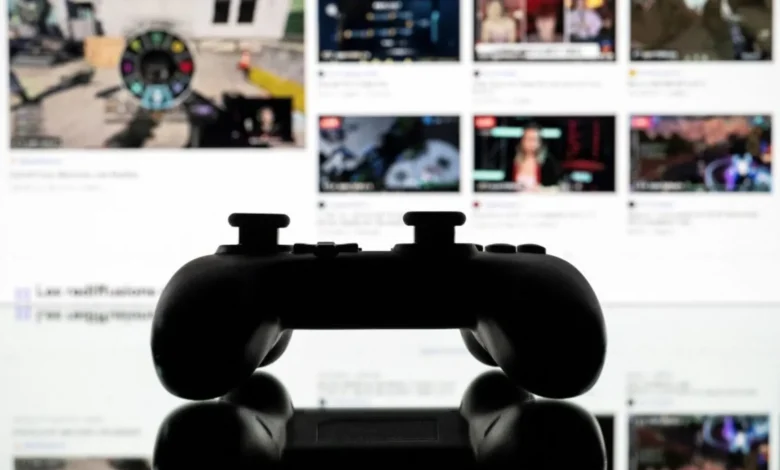
For Alyce Rocha, known online as Alyska, work doesn’t mean back-to-back meetings—it means stepping into the virtual shoes of a Mafia upstart in 1900s Sicily. As a full-time video game streamer with over 585,000 followers across platforms, she’s turned gaming into her career. The magic, she says, is in “sharing an experience together.”
Once dismissed as a male-dominated space, gaming now counts women as nearly half its player base, according to the UK Games Industry Census. Yet, women in streaming are still working to shift perceptions about what they play. While data shows women leaning toward puzzle and simulation titles, Alyce proudly embraces action, fantasy, and even horror—genres her viewers love watching her tackle. “My audience loved to see me suffer,” she laughs, recalling how horror games grew on her over time.
Still, the industry is anything but easy. Streaming demands consistency and stamina. Until recently, Alyce pushed herself with 12-hour days, now scaling back to six-hour sessions plus morning admin. Between Twitch and YouTube, her income comes from subscriptions, ad revenue, and partnerships—though platforms take a hefty cut. It’s the reality of a fiercely competitive industry worth more than film, music, and TV combined, with UK revenue projected to hit £13.7bn this year.
Representation, however, is shifting. Blockbuster titles such as The Last of Us showcase layered female leads, while games like Life is Strange weave womanhood, identity, and vulnerability into their narratives. For Alyce, the difference is striking compared to her school days: “I didn’t know any girls who gamed back then. Now it’s easy to find communities and streamers who are women.”
Communities like Black Girl Gamers are breaking barriers further. Founded in 2015 as a small Facebook group, it has grown into a 10,000-strong global network offering both camaraderie and safe spaces. For members like Iesha, it’s been life-changing: “When I was younger, I didn’t know there were other black female gamers like me. I thought I was an anomaly. Now I’ve found friends who just get it.”
Deanne, another member, describes the connection as an “escape” from the unique pressures black women face—whether in real life or in toxic corners of the online gaming world. Misogynistic or racist abuse remains common, but the group’s private Discord channels allow members to vent, find solidarity, and regain their footing.
“Gaming has helped me through tough times, including grief,” Iesha reflects. “Some games let you process emotions in gentle ways. And when you share that journey with others, it matters even more.”
From streamers building careers to communities rewriting the rules, women are proving that gaming isn’t just about play—it’s about identity, resilience, and belonging. As Alyce puts it, the shift is simple but powerful: women have always been gamers; now, they’re no longer quiet about it.