The Pakistan Tourism Climate Change Alliance has been formed
Pakistan launches a united platform to protect tourism, strengthen climate action, and safeguard natural destinations for future generations.

What is this alliance? How will it work? And why was it needed? As the title itself shows, the reason is climate change.
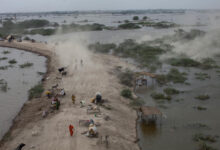
Yes, for the past many years, we have been facing climate change. Because of climate change, Pakistan’s tourism has come under serious threat, and in the last two to three years, these impacts have become even more severe. Rains, storms, floods, and cloudbursts — all of these are affecting tourism. And if tourism declines, it will negatively affect the economy, unemployment will rise, and the wheel of national development will slow down. So what should be done? What steps can we take to save our tourism?
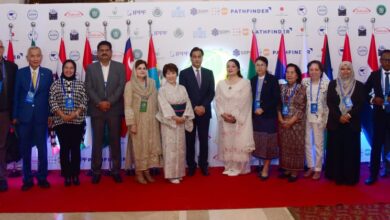
For this purpose, an important meeting was held at the Murree Flats in the Queen of Hills, titled a national conference. Tourism and climate experts from Gilgit, Chitral, Swat, and many other regions participated and highlighted the issues in their respective areas. The challenges of climate change in Pakistan’s tourist regions were discussed.
Many experts also questioned Pakistan’s climate system — why it is not effective, why forecasts were inaccurate, and why misleading data was given. For example, if flooding was in one area, then why was an alert issued for another location that was safe? Several questions were raised about the early warning system.
Experts expressed concern that since 2022 until now, the tourism sector has suffered losses worth billions of rupees, and if this continues and no action is taken, tourism will gradually disappear from Pakistan. Therefore, there is a need to create a mechanism and there should be a platform through which the tourism industry can be improved while dealing with the risks of climate change. For this reason, in this national conference, the Pakistan Tourism Climate Change Alliance was established, and this platform was created through the joint decision of all stakeholders.
Experts agreed that there is an urgent need for disaster-resilient strategies for the promotion and protection of tourism across the country, and the purpose of the Pakistan Tourism and Climate Change Alliance is to work for the welfare and sustainable development of Pakistan’s tourism. As active stakeholders, it will provide the Government of Pakistan with research and evidence-based recommendations. Experts also said that hotel staff will be provided disaster management training, and climate-change-resilient resorts’ rescue and response systems will be developed. Communication and early warning centres will be established regarding floods, glacier melting, cloudbursts, rains, and other hazards. A Research and Analysis Group will be formed to conduct research on the impacts of climate change related to tourism.
For this platform, Dr. Saeed Elahi was nominated as the Chief Patron, while Haji Khalil Abbasi was nominated as the Patron, and along with that, a Steering Committee was also formed. Nasir Abbasi was nominated as the Convener of the Steering Committee, while Junaid Shah was nominated as the Secretary. The committee members include Zahid Khan from Swat, Iftikhar Khan from Balakot, Raja Amjad from Azad Jammu and Kashmir, Imran Nadeem from Gilgit-Baltistan, Imran Khan from Swat, Syed Harir Shah from Chitral, Farhad Ali from Upper Swat, and Chaudhry Salman Elahi from Multan. The committee will be responsible for developing the membership framework and preparing the practical planning.
This is certainly a good step in the current situation, in which members from all important areas have been included. One point that is worth considering — and which caused me concern — is that many organizations do talk about community trainings, but before this forum, no one ever talked about training hotel owners and staff. Why has no one ever thought about trainings and improvement for the tourism industry, or taken any such initiative? Why?
To strengthen Pakistan’s economy, it is necessary that in areas that are more vulnerable to natural disasters, the local residents — as well as the people associated with the tourism industry — should also be given trainings, because Pakistan belongs to everyone. Saving and improving this country should be everyone’s responsibility.
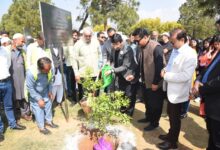
Another important point: If we want to protect tourism from climate change, then we must also protect tourist destinations. In Murree, the Queen of the Hills, forests are decreasing; many mountains looked barren and deserted, almost no greenery could be seen. The beauty of the Queen is fading, and this is a major threat for the future. And it is not only Murree — many other tourist spots are facing the same situation. Deforestation must stop. The government should also provide gas facilities to people so that the lack of gas does not become a reason for cutting down trees. These are not just forests — they are the protection of future generations.
Remember me in your prayers.