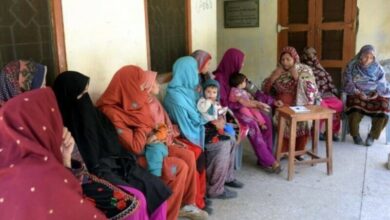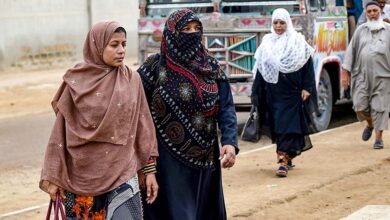
Empowering Women is Key to Tackling Pakistan’s Population Growth Crisis
High fertility rates and gender inequality are linked; policies must prioritize women’s rights, education, and reproductive autonomy to ensure sustainable growth.

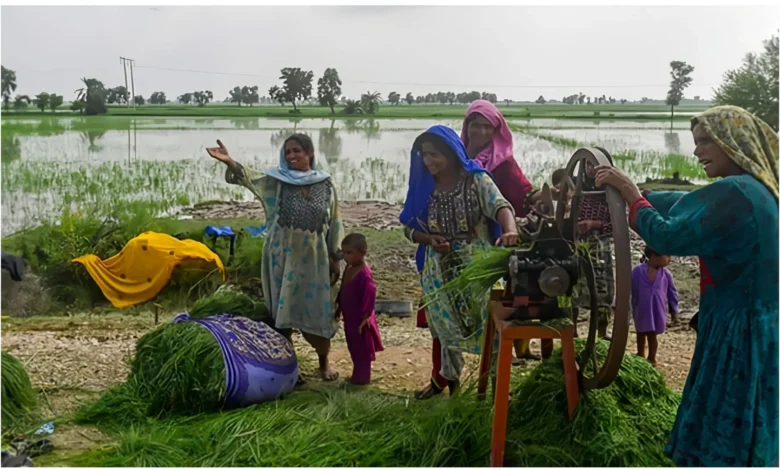
Pakistan’s population is growing at 2.55% per year, translating to an average of 3.6 children per woman, making it the fastest-growing country in the region and one of the highest in the world. Experts warn that if current trends continue, the population could reach 385 million by 2050. While economic concerns dominate discussions, the impact on women—who bear the brunt of childbirth and childcare—is often overlooked.
Decades of inconsistent policy and poor planning have contributed to this unsustainable growth. At the same time, Pakistan continues to rank near the bottom in women’s rights, placing 148th out of 148 countries in the 2025 Global Gender Gap Report. Gender inequality and patriarchy are central to the country’s high fertility rates, underscoring the need for population policies that place women’s well-being and autonomy at the forefront.
Women’s economic participation remains extremely low. Only around 25% of women engage in paid work, and they earn just 18% of total labor income. Most unpaid domestic work falls on women, with Pakistani women spending 11 hours on care and household tasks for every hour men contribute. Higher birth rates further increase this unpaid workload, limiting women’s opportunities outside the home.
Financial dependence exacerbates the issue. Just 3% of women own a house and 2% own land, compared to 72% and 27% of men, respectively. This dependence fuels the preference for male children as a form of security, contributing to higher fertility rates. Surveys indicate that 60% of women with three sons do not want more children, while only 21% of women with three daughters feel the same.
Maternal health is also a critical concern. Pakistan has one of the highest maternal mortality rates in the region, with approximately 11,000 maternal deaths annually. Contraceptive use is limited, with only 35% of women using modern methods despite a demand of 55%. Increasing contraceptive coverage could save thousands of lives each year, yet access remains uneven, especially in rural and underdeveloped regions like Balochistan.
Early marriage further extends women’s childbearing years and limits their autonomy. About 14% of women aged 15–19 are married, compared to just 3% of men in the same age group. Combined with limited reproductive decision-making—where only 10% of women report making health decisions independently—these factors perpetuate high fertility rates and poor maternal outcomes.
Addressing Pakistan’s population growth requires centering women’s empowerment in policy. Education, economic participation, and access to reproductive health services are key. Policies must shift away from blunt population targets to focus on improving women’s opportunities, autonomy, and decision-making power.
Promoting gender equality also demands cultural change, particularly among men, to support women’s rights and reproductive choices. Empowering women not only benefits families but creates a virtuous cycle: lower fertility rates, improved economic outcomes, and better health for women and children.
Though challenges remain, recent decades have shown promising trends. Fertility rates have gradually declined, more women are entering the workforce, and educational attainment for girls is improving. By investing in women’s empowerment and reproductive health, Pakistan can stabilize population growth while advancing gender equality, creating a sustainable future for all.