Rural Women and the Healthcare Crisis in Pakistan
Rural women in Pakistan face rising health risks, unsafe childbirths, and exploitation by untrained healers due to weak medical access and social neglect.

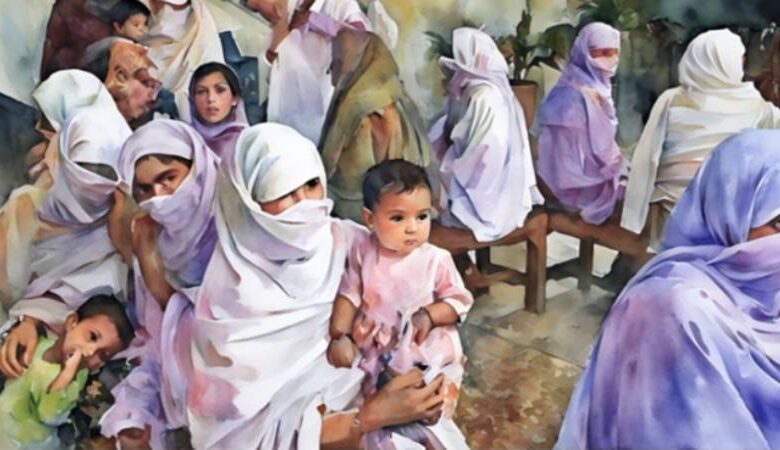
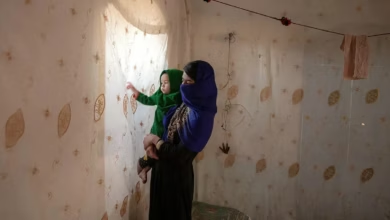
Across Pakistan’s rural areas, women carry the heaviest burden of the country’s healthcare crisis. With only one doctor for every 3,500 people in villages, women are left to navigate pregnancies, illnesses, and emergencies with little or no medical support. In regions like Tharparkar, Balochistan, and interior Sindh, hospital care remains distant, costly, and often distrusted, leaving women to rely on traditional healers or risky home births.
Many rural women still depend on dais, or untrained birth attendants, who deliver babies in unsterile conditions. These home deliveries, often without proper tools or hygiene, result in a high rate of infant deaths and complications for mothers. A recent study in Sindh showed that nearly 30 percent of women delivered at home, most of them lacking antenatal care. The absence of trained nurses, transport, and affordable medicines means that even preventable conditions can quickly become life-threatening.
In places where doctors are unavailable, unregistered herbalists and faith healers have taken their place. Women suffering from pain, infertility, or chronic illness are misled into harmful treatments made of unsafe chemicals and metals. Some healers claim to cure diseases through spiritual rituals or by reversing “evil effects.” For many women, these practices lead to delayed treatment, permanent harm, or even death.
The manipulation of rural women’s fears and hopes runs deep. Many are told their medical issues stem from black magic or spiritual punishment. In one shocking case reported from Peshawar, a pregnant woman was convinced by a faith healer to hammer a nail into her skull to ensure the birth of a son. Such acts reveal how social pressure for male heirs and lack of healthcare access combine to create a silent epidemic of abuse.
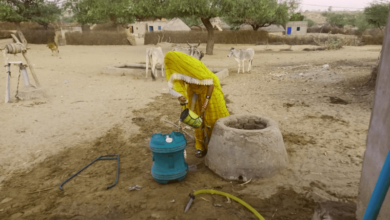
Women in farming families face additional hazards. Exposure to pesticides, poor sanitation, and unsafe drinking water cause kidney and reproductive problems. Yet few have the means to travel to hospitals for regular checkups. The rise of antibiotic misuse has made infections harder to treat, and pharmacies in villages freely sell drugs without prescriptions, worsening resistance and side effects.
When illnesses strike, the first challenge is not finding a doctor but finding transport and funds. Ambulances are rare, and women often rely on relatives to collect money before traveling to cities for emergency care. Many lose critical hours or days in the process. These experiences have left deep mistrust of hospitals, reinforcing the cycle of self-treatment and traditional healing.
Some progress has been made through telemedicine services like Sehat Khana and eShifa, which connect patients with doctors online. However, poor internet access, frequent power cuts, and limited digital literacy among rural women make it difficult for these services to reach their full potential.
Pakistan’s rural women are not just patients but the backbone of village life — feeding families, raising children, and keeping communities alive. Yet their health remains one of the country’s most neglected areas. Empowering rural women with better healthcare, education, and medical awareness is not just a moral duty but essential for national progress. Until these gaps are bridged, rural women will continue to face preventable suffering in silence.