
Women and Digital Violence in Pakistan
Exploring how technology amplifies gender-based abuse and the resilience of women fighting back online.

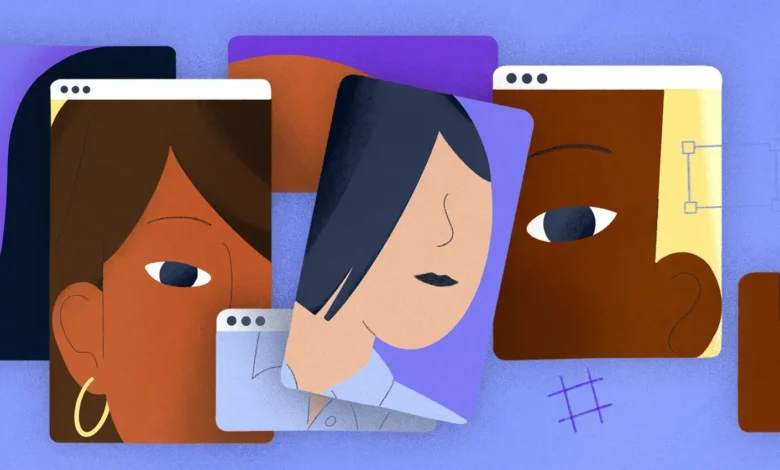
Technology connects the world but also opens new doors for harm. Women, in particular, face a rising wave of technology-facilitated gender-based violence (TFGBV), a form of abuse that thrives across online platforms. While the internet was once seen as a space for freedom, for many women, it has become a place of constant surveillance, harassment, and fear.
Technology-facilitated gender-based violence refers to acts of abuse, harassment, or intimidation committed through digital means against someone because of their gender. It ranges from online stalking, cyber harassment, and non-consensual sharing of intimate images to threats of physical harm and hate speech. Yet behind every definition are the women who experience this daily—those who delete their profiles, stay silent to avoid abuse, or endure endless waves of threats that attack not just their opinions but their existence.
In Pakistan, this issue is deeply rooted in cultural and structural inequalities. According to the Digital Rights Foundation, almost 40 percent of Pakistani women internet users have faced online harassment. This number represents more than statistics—it reflects a culture that continues to police women’s visibility and independence, both offline and online. Social media, instead of being a platform for empowerment, often mirrors the same gender biases that women encounter in public spaces.
When women step into digital spaces with strong voices—whether through journalism, activism, or art—they often face immediate backlash. Movements like the Aurat March highlight this pattern vividly. As soon as women publicly demand equality, their images are turned into memes, their slogans mocked, and their motives questioned. This digital aggression is not merely a difference of opinion; it is a calculated attempt to intimidate women into silence. It shows how patriarchy has seamlessly adapted to modern platforms.
The experience of online violence also exposes the unequal distribution of vulnerability. Women from marginalized communities—based on class, ethnicity, or religion—often face layered abuse. A privileged influencer might encounter hateful remarks, but a Baloch or Christian woman activist may face compounded harassment rooted in both gender and identity. This intersectional nature of digital violence makes it more complex and painful, demanding broader and more inclusive solutions.
Laws such as the Prevention of Electronic Crimes Act (PECA) were introduced to curb online crimes, but their effectiveness remains limited. Reporting harassment often brings more scrutiny than support, as victims are questioned about their behavior, clothing, and intentions. Many women choose silence over the trauma of reliving their experiences through insensitive systems. This societal response normalizes abuse and discourages resistance.
Yet, despite this pervasive hostility, Pakistani women continue to resist and reclaim digital spaces. Through collective activism, hashtags, and online campaigns, women are using social media as a tool of solidarity and empowerment. They share their stories, support survivors, and expose abusers, creating digital communities where strength replaces fear. Each voice raised online is a step toward dismantling the structures that seek to silence them.
The responsibility to combat digital violence cannot rest solely on women. Social media companies must ensure quick removal of harmful content and create safer reporting systems. Law enforcement agencies should handle such cases with empathy and urgency, while educational institutions need to include digital ethics and gender awareness in their curriculums. Most importantly, as a society, we must stop masking misogyny under the banner of humor or free speech.
The fight against technology-facilitated gender-based violence is not just about protecting women—it’s about redefining what kind of digital world we want to build. When women can speak, share, and exist online without fear, technology truly fulfills its promise of empowerment, not oppression.