Imaan Mazari and the Struggle Against Silence in Pakistan’s Courtrooms
A lawyer’s defiance highlights the systemic dismissal of women in law, politics, and society

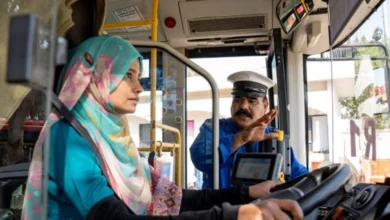
Pakistani women have long been asked to stay quiet, to keep themselves small, to avoid disrupting spaces not designed for their voices. Yet history has taught us that silence brings neither peace nor justice. Every time women step outside the narrow boundaries of education, medicine, or caretaking, they are met with resistance. But voices like Imaan Mazari’s prove that silence is no longer an option.
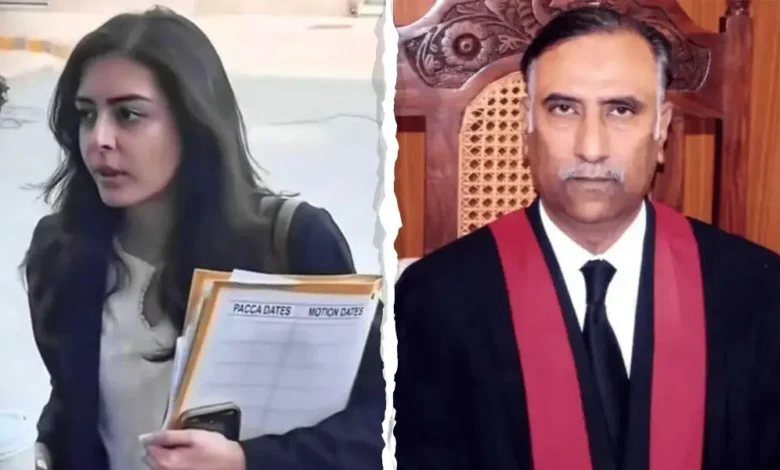
Mazari, a young human rights lawyer, faced public humiliation last week in the Islamabad High Court, where Chief Justice Sarfraz Dogar told her to “shut her mouth,” threatened violence, and even instructed her husband to rein her in — as though she were property, not a constitutional citizen. His comments were not isolated; they reflect a larger pattern of undermining her presence and arguments in court. What makes this incident particularly alarming is that such words came not from a street heckler but from the very custodian of justice.
For women across Pakistan, this insult resonates far beyond one courtroom. It echoes every time they’ve been told to lower their voices, to step back, to stay within their “place.” It is especially dangerous when such words come from those expected to uphold dignity, fairness, and the law. Courtrooms are already hostile spaces for women; for them to be demeaned by a judge only reinforces the message that women are not welcome where decisions about justice are made.
When confronted, Justice Dogar defended his remarks as a “gracious” scolding, framing them as paternal guidance. But even that excuse exposes the deep-rooted paternalism that women in Pakistan have always resisted. To deny a woman’s intelligence or diminish her professional standing is not just arrogance — it is violence.
Mazari stands in the tradition of Asma Jahangir, the late lawyer and activist who relentlessly fought against patriarchy and state repression. Like Jahangir, Mazari refuses to shrink herself. She has already endured imprisonment and intimidation, yet she continues her work — most recently representing Dr. Mahrang Baloch in court. Each attack against her is an attack on all women who dare to demand space, dignity, and equality in public life.
The broader context makes this case even more pressing. In Pakistan, women’s rights remain structurally undermined. Marital rape is not criminalized. Honour killings persist. Survivors of sexual violence are shamed rather than supported. Women’s testimony is still legally valued at half a man’s. From Mukhtaran Mai to Noor Mukadam, from missing Baloch women to countless unnamed victims, the system has failed to protect them. In such a landscape, silencing a woman lawyer sends a chilling message: if even those trained to argue the law cannot be heard, what hope do the powerless have?
Yet Mazari’s refusal to remain silent is powerful. By publicly calling out the judge’s behavior, she disrupted the cycle of complicity that thrives on women’s silence. This act is not just personal defiance; it is a moral stance against a system designed to exclude women from full participation in justice.
Pakistan stands at a crossroads. It has the capacity to build cities and expand its economic frontiers, but the greater challenge is to rebuild its social and moral foundations. Judges, politicians, and institutions must recognize women as equal citizens, not subjects of paternal control. Justice Dogar, like all men in positions of authority, faces a choice: to uphold the dignity of women as the law demands, or to perpetuate patriarchal norms that weaken the very system he represents.
For centuries, Pakistani women have contributed to the nation in invisible ways — as the unacknowledged backbone of families, economies, and communities. Yet their voices have too often been ignored or suppressed. That time is ending. Women are no longer whispering; they are speaking with clarity, force, and resilience. And like Imaan Mazari, they are demanding to be heard.