Afghanistan’s Women Face the World’s Harshest Rights Crisis
21 million Afghan women live under systemic bans on education, work, and public life — a reality the world risks normalizing.

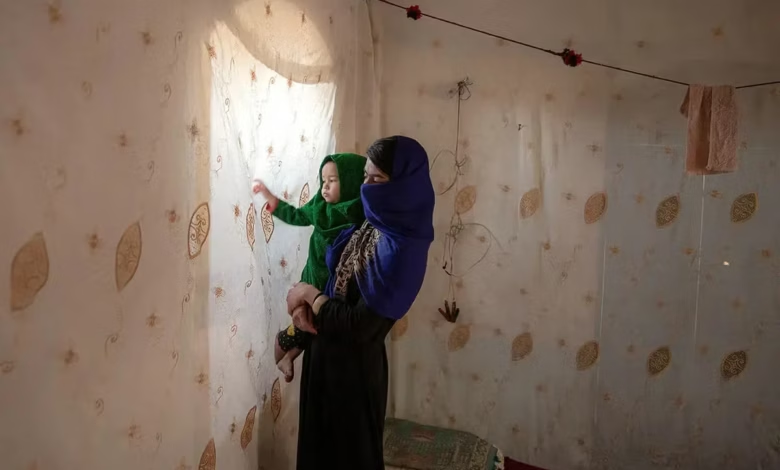
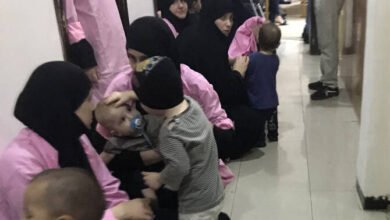
The women of Afghanistan are enduring the most severe rights crisis in the world today, according to UN Women, with 21 million affected by sweeping bans and restrictions under Taliban rule. What makes this crisis even more alarming is not only its scale but also the growing risk that it will be normalized globally as the world’s attention shifts elsewhere.
A generation of Afghan women is being erased from education. Girls are prohibited from continuing secondary school from the age of 13, while women are banned from universities. This systemic exclusion has already pushed nearly 80 percent of young Afghan women between 18 and 29 out of education, employment, or training. For many, dreams of professional careers have been replaced by forced domestic roles and early marriage.
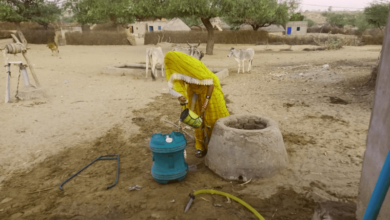
The situation is equally dire in the labor market. Afghanistan now has one of the widest gender gaps in the world. While nearly 90 percent of men are employed or actively seeking work, only one in four women can say the same. This imbalance is not a coincidence but the direct result of Taliban decrees, which have banned women from working in NGOs, government offices, and even beauty salons — once vital sources of income for women across the country.
These restrictions are also fueling a health crisis. By 2026, the UN projects a 25 percent increase in child marriages, a 45 percent rise in adolescent pregnancies, and at least a 50 percent spike in maternal mortality rates due to education and work bans. Alongside these devastating physical outcomes, Afghan women report worsening mental health, with rising levels of anxiety, depression, and hopelessness.
Women’s voices in decision-making have been deliberately silenced. Every minister in Afghanistan’s de facto cabinet is male, as are local-level leaders, leaving women excluded from all spheres of political and community governance. Public life has shrunk further as women have been banned from parks, gyms, and sports clubs, stripping them of spaces for leisure, health, and social connection.
Safety remains a constant concern. Although Afghanistan is technically no longer at war, women continue to live under fear. Gender-based violence, already widespread, has intensified, while survivor support services have been gutted. The Ministry of Women’s Affairs has been dismantled, and protective legislation has been rolled back, leaving victims without formal avenues for justice.
Adding to this, the Taliban’s “morality law,” enforced since August 2024, further polices women’s behavior. More than 3,300 male enforcers now regulate public life, ensuring women do not speak in public or move freely without restrictions. Families themselves are pressured to enforce these laws, embedding oppression at both the community and household levels.
The crisis has been worsened by mass refugee returns. In 2025 alone, more than 1.7 million Afghans returned — many forcibly — from Iran and Pakistan. Women and girls make up nearly half of these returnees and now face intensified risks of violence, poverty, and forced marriages as displaced families struggle to survive.
Meanwhile, women-led organizations that once played a critical role in supporting Afghan women are being suffocated by international funding cuts. Nearly 40 percent of civil society groups report that donor-dependent projects have been suspended. Without these organizations, women lose vital support networks, safe spaces, and documentation of rights abuses.
Yet, despite these unimaginable restrictions, Afghan women continue to resist. They are running small businesses, finding ways to teach in secret, delivering humanitarian aid, and documenting violations at great personal risk. Their resilience sends a powerful message: Afghan women have not given up — and they demand that the world does not either.
The Afghan women’s rights crisis is not just a national tragedy; it is a global test of humanity. If the international community allows these violations to be normalized, it sets a dangerous precedent for women’s rights everywhere. Supporting Afghan women is not only a moral obligation but also essential for the stability and future of the country itself.