UN Women Warns: Democracy Incomplete Without Women’s Equal Representation
Report highlights media’s role in reinforcing stereotypes, underreporting GBV, and sidelining women leaders.

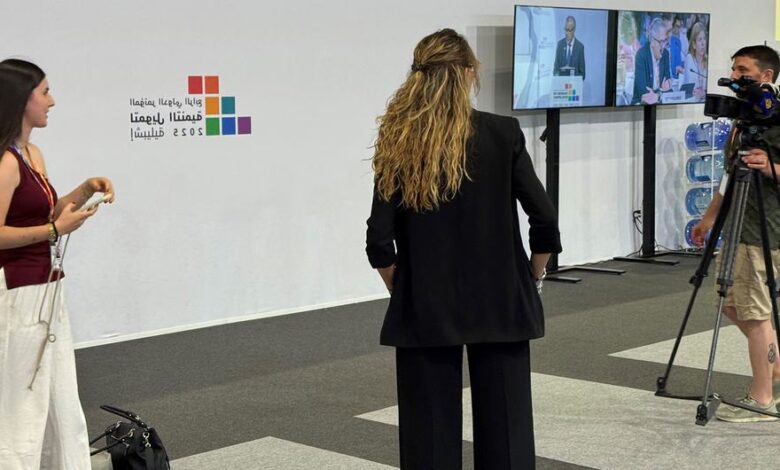
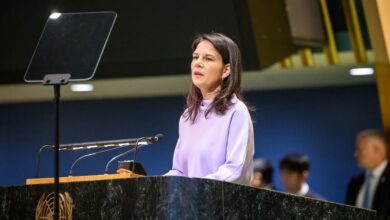
“When women are missing, democracy is incomplete,” said Kirsi Madi, Assistant Secretary-General and Deputy Executive Director of UN Women, stressing that women’s misrepresentation and underrepresentation in media must be addressed to prevent the erosion of democratic values. Her remarks came alongside a UN Women report examining how gender equality is being undermined by systemic gaps in news coverage and public narratives.
Despite severe restrictions in many regions, women continue to lead community initiatives, education drives, and grassroots resilience efforts. In Afghanistan’s Kunduz Province, for example, Mehrgan once ran a women’s organization that trained hundreds and supported NGOs before losing resources in 2022. With UN Women’s support, she has rebuilt capacity and is now empowering other women’s groups. The report underscores that when media portrays women only as victims, it silences their leadership, erases their agency, and misrepresents their role in peace and social progress. Highlighting stories like Mehrgan’s ensures policymakers and the public recognize women as central to solutions, not just symbols of suffering.
A major concern raised is the chronic underreporting of gender-based violence (GBV). According to UN Women, fewer than two in 100 news stories cover the abuse millions of women endure. When covered, GBV is often framed through stereotypes, victim-blaming tropes, or isolated “incidents,” muting survivor voices and normalizing systemic harm. This distortion of reality contributes to skewed public perception, while issues like politics, crime, and the economy dominate nearly 80 percent of reporting.
Representation is even more starkly unequal for minority women. While minority groups represent six percent of people featured in news coverage, only 38 percent of those are women. The probability of a woman in the news being from a minority background is less than one in ten, reflecting deep systemic exclusion from public visibility.
Still, there are signs of progress. Digital news has opened new spaces for inclusion, with the share of female online reporters rising from 25 percent in 2015 to 42 percent in 2020, particularly during the pandemic. Global initiatives such as the UN-convened Unstereotype Alliance and the HeForShe Campaign are also challenging stereotypes in media and advertising, providing pathways to greater equality in representation.
As the UN’s 80th General Assembly approaches, UN Women warns that progress on gender parity has stagnated for three decades. Without urgent reforms in representation, reporting, and media practices, women will remain sidelined in both coverage and decision-making, leaving democracy incomplete.